



Can Oil-Based Paint Additives Reduce Sedimentation Problems During Storage And Export?
For paint manufacturers and coating distributors, sedimentation often appears after the product has already left the factory. A batch may pass internal checks, then spend weeks in storage, shipping, or distributor warehouses. When the customer opens the drum, heavy settling, uneven flow, or difficult re-dispersion can quickly turn into complaints.
This is why oil-based Paint Additives should not be treated as minor formula materials. In export supply, a stable additive direction can help improve storage behavior, surface performance, and customer confidence after delivery.
Table of Contents
Storage Problems Start Before The Customer Applies The Paint
Long Transit Makes Weak Formulas More Visible
Oil-based paints may face heat, vibration, long standing time, and temperature changes during export. If the formula is already unstable, these conditions can make sedimentation more obvious.
For distributors, the first impression matters. If the paint looks separated or takes too long to stir back, customers may question the whole batch before testing it on the actual surface.
Heavy Settling Adds Hidden Labor Cost
Some settling can be normal, but excessive sedimentation creates extra work. Customers may need longer mixing time, stronger stirring equipment, or additional filtration before use. In industrial coating operations, this slows preparation and affects production efficiency.
Additives Should Support Stability And Surface Quality
One Additive Should Not Create Another Problem
A paint additive should help the formula without hurting the final film. Buyers often need to balance sedimentation control, leveling, gloss, surface slip, anti-blooming behavior, and coating appearance.
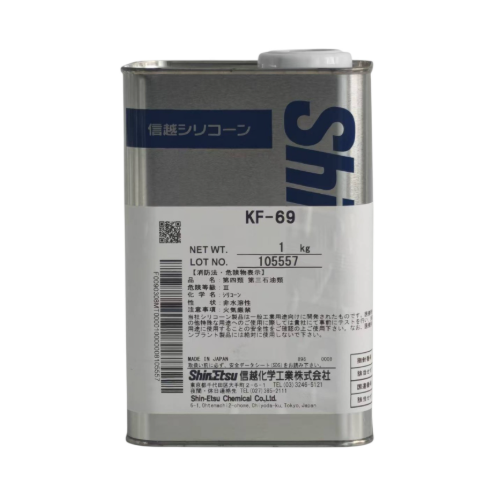
Our ShinEtsu KF-69 is a dimethylpolysiloxane Silicone Fluid used in coating and textile film applications. It offers high flash point, low volatility, anti-blooming performance, surface lubrication, and support for leveling and gloss improvement.
For buyers reviewing oil-based paint additives, the goal is not only better storage. The final coating still needs to look clean, smooth, and stable after application.
Compatibility Testing Is Still Necessary
Silicone-based additives can be effective, but dosage and compatibility matter. Too little may not improve the formula enough. Too much may affect adhesion, recoating, surface tension, or later processing.
Before bulk use, coating factories should test the additive with the actual resin, solvent, pigment, filler, and application method. A textile coating, metal coating, and plastic film coating may not behave the same way.
Export Orders Need More Careful Formula Planning
Shipping Conditions Are Difficult To Control
Factories can control production conditions, but they cannot fully control what happens during sea freight, warehouse delay, or distributor storage. This is why export formulas need stronger stability review before large orders.
Buyers should observe sedimentation, viscosity change, surface clarity, and re-dispersion behavior over time. A short factory check may not be enough for long-distance export supply.
Distributors Carry The Complaint Risk
The distributor is often the first to face customer feedback. If the paint is hard to stir, looks uneven, or performs poorly after storage, the distributor must explain the issue and protect the customer relationship.
A more stable additive system helps distributors reduce after-sales pressure and keep repeat orders more secure.
What Buyers Should Confirm Before Ordering
Practical Questions For Coating Factories
Before selecting oil-based paint additives, buyers should confirm the real problem they want to solve. Is the issue sedimentation, blooming, poor leveling, gloss loss, or surface friction?
Useful details include:
Resin and solvent system
Pigment and filler package
Expected storage time
Export transport method
Application surface
Target gloss and leveling effect
Required packaging size
Sample testing plan before bulk use
These checks help avoid choosing an additive by name only, then discovering formula problems during production or after shipment.
Before Your Next Paint Additive Order
Sedimentation during storage and export can damage distributor confidence, increase customer handling time, and weaken repeat sales. A suitable additive direction can help coating factories improve formula stability, surface behavior, and final application quality.
We are INNOSILTECH. If your factory is dealing with settling, blooming, poor leveling, or unstable surface appearance, you can share the resin system, solvent type, pigment package, storage condition, export method, and target finish with us. Our team can help review whether ShinEtsu KF-69 is suitable before larger production planning begins.