




Automobile
Silicone Oil Applications in the Automotive Industry
At INNOSILICONE, we understand the critical importance of reliability and durability in automotive and transportation. Our carefully selected product portfolio covers a wide range of applications, including Automotive coatings, automotive lubricants, automotive adhesive and Car cleaning. With years of industry experience and deep insight into the unique challenges of the sector, we are committed to delivering outstanding customer service and helping customers find the right solutions for their specific needs.

1. Introduction
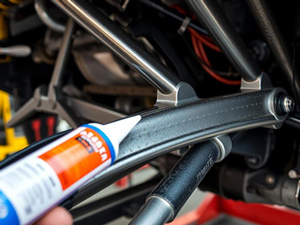
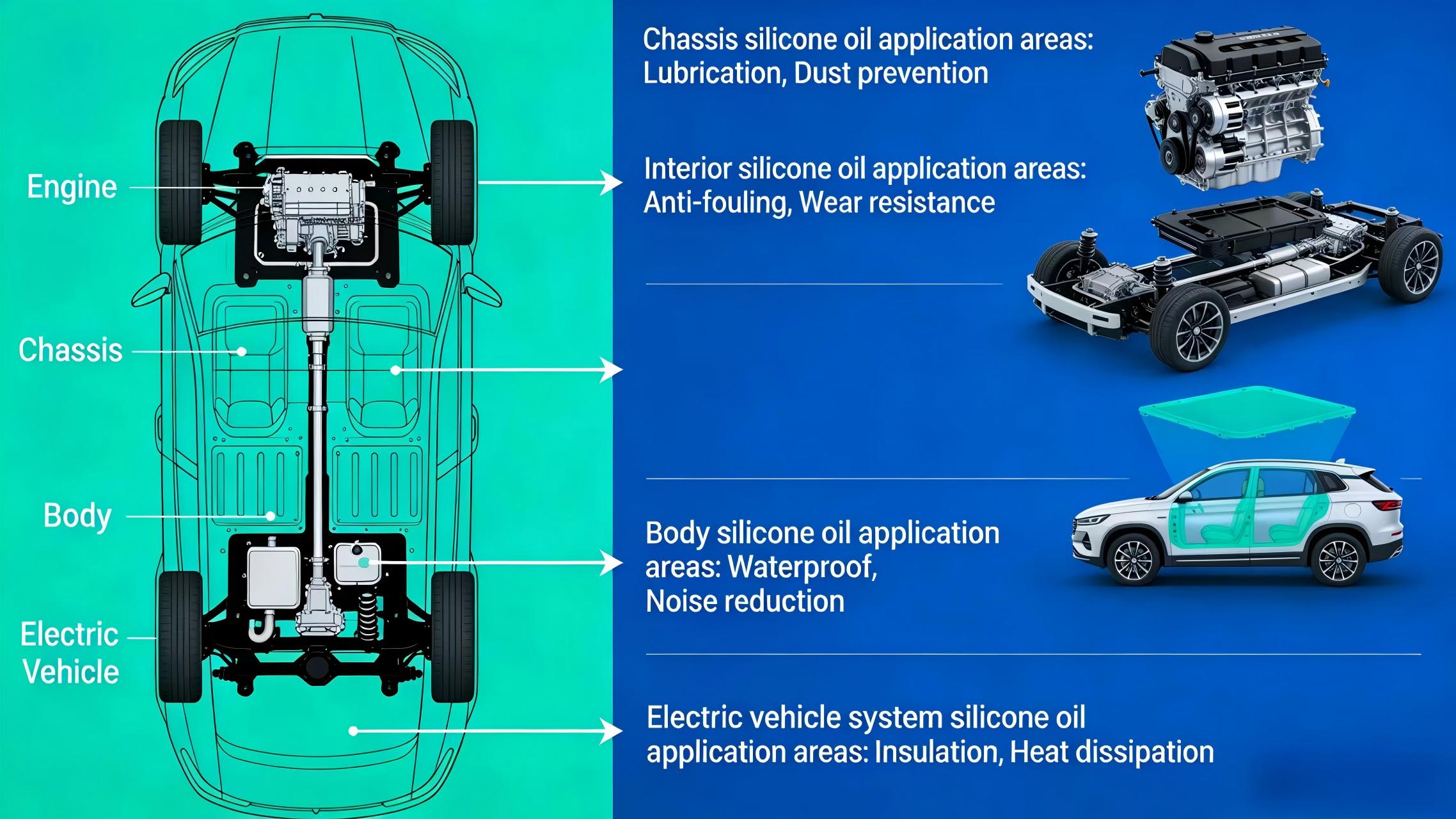
Silicone oil — chemically known as polydimethylsiloxane (PDMS) and its modified derivatives — is one of the most versatile and indispensable functional fluids in the modern automotive industry. Unlike traditional mineral oils, synthetic hydrocarbons, and many organic lubricants, silicone oil offers an unmatched combination of thermal stability, chemical inertness, electrical insulation, weather resistance, low surface tension, and long term durability. These properties make it widely used across engine systems, transmission components, chassis parts, body sealing, interior materials, electronic systems, and the rapidly growing new energy vehicle (EV) sector.
As automotive technology moves toward higher efficiency, lighter weight, longer service life, and greater environmental compatibility, silicone oil has evolved from a auxiliary material into a core functional medium that directly affects vehicle performance, safety, comfort, and reliability. Whether for original equipment manufacturing (OEM) or automotive after sales maintenance, silicone products have become standard materials for global carmakers, parts suppliers, and maintenance professionals.
This article systematically introduces the full range of silicone oil applications in automobiles, covering working principles, performance advantages, typical usage scenarios, recommended products, and practical benefits. It is intended to help engineers, purchasers, technicians, and partners understand the full value of silicone oil in automotive systems and support product selection, formulation design, and application optimization.
2. Core Properties of Silicone Oil That Suit Automotive Environments
Before diving into specific applications, it is critical to understand why silicone oil has become irreplaceable in the automotive industry. Its key performance characteristics include:
2.1 Excellent Temperature Resistance
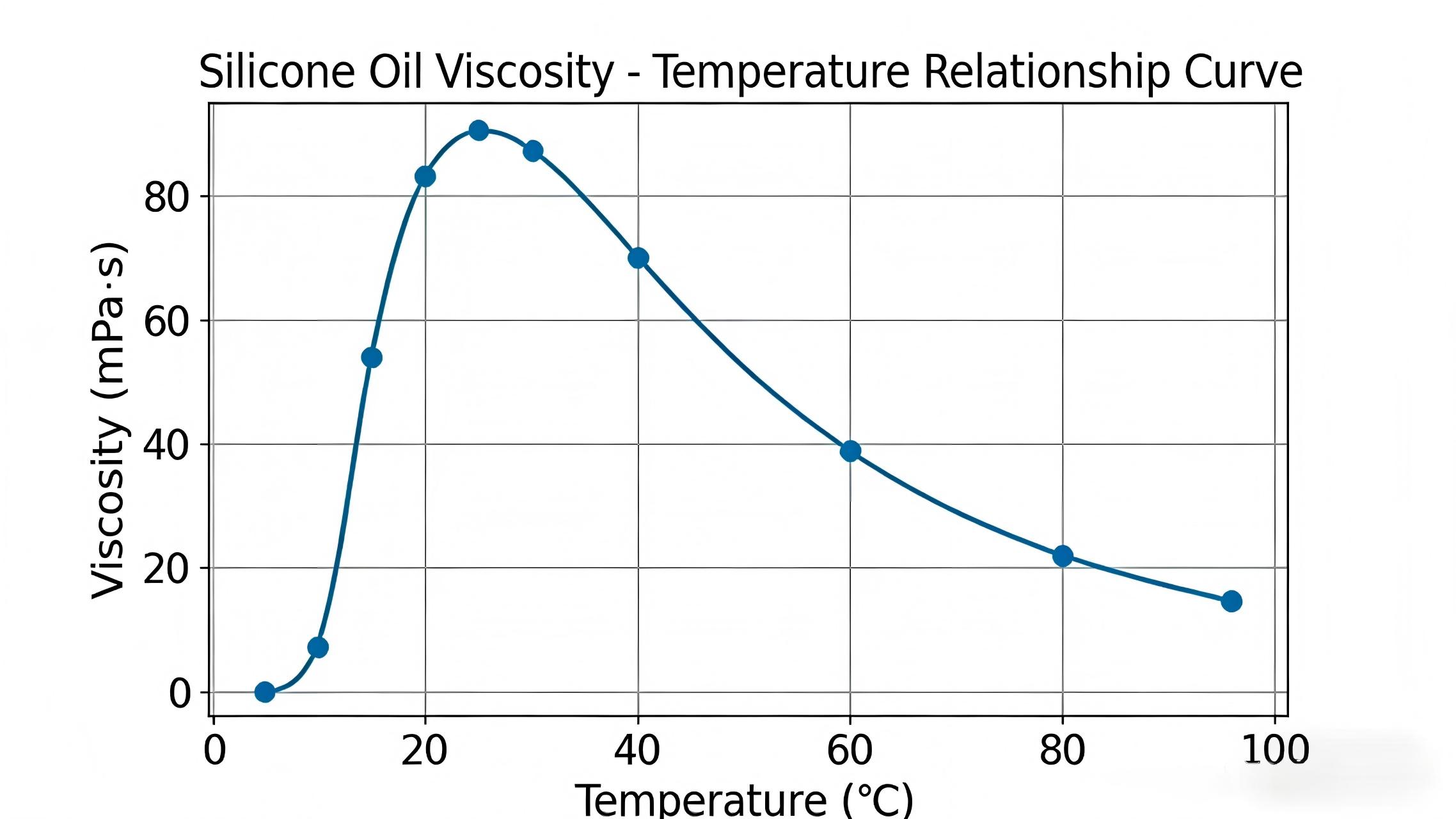
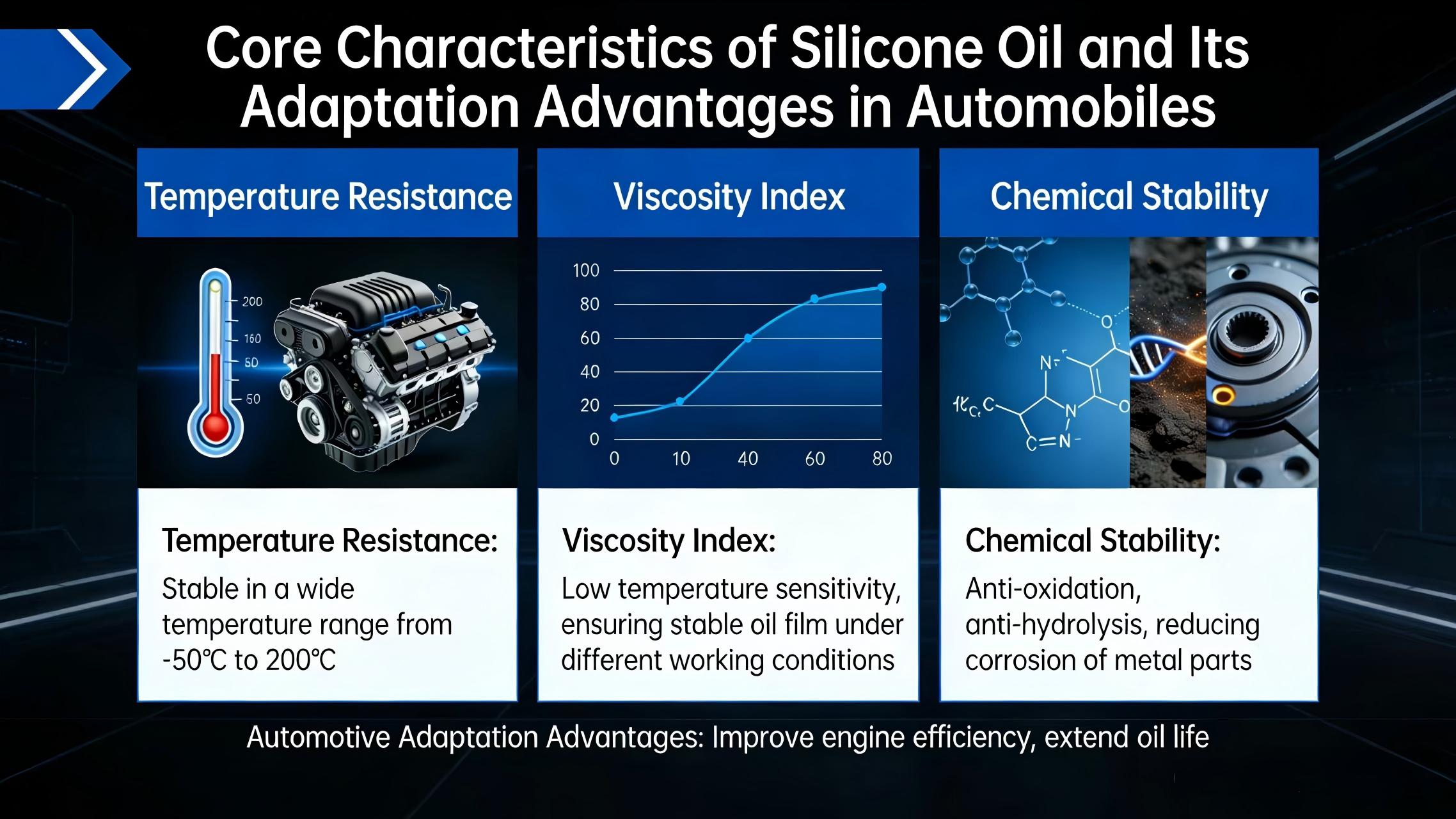
Silicone oil maintains stable fluidity and performance over an extremely wide temperature range, typically from -50°C up to 230°C, with special phenyl modified silicone oils capable of reaching 300°C. This stability ensures normal function in frigid winter conditions and high temperature engine compartments, avoiding thickening, thinning, coking, or volatilization.
2.2 Ultra High Viscosity Index
Silicone oil has a naturally high viscosity index, meaning its viscosity changes very little with temperature. This ensures consistent lubrication, damping, and torque transfer under varying operating conditions — a critical advantage for components such as viscous fan clutches and shock absorbers.
2.3 Outstanding Chemical Stability
Silicone oil is inert toward most automotive materials, including metals, rubbers (EPDM, NBR, silicone rubber), plastics (PP, PE, ABS, PC), paints, and foams. It does not corrode, swell, or degrade parts, and resists oxidation, UV radiation, ozone, and weathering.
2.4 Strong Electrical Insulation
With high dielectric strength and volume resistivity, silicone oil safely protects automotive circuits, sensors, motors, connectors, and battery systems — making it essential for modern electric and intelligent vehicles.
2.5 Low Surface Tension & High Spreadability
Silicone oil spreads quickly and uniformly over solid surfaces, providing excellent lubrication, mold release, waterproofing, and defoaming effects.
2.6 Low Volatility & Long Service Life
Compared with mineral oil and many synthetic oils, silicone oil has extremely low volatility, reducing consumption, extending maintenance cycles, and lowering total operating costs.
These properties combine to make silicone oil a multi purpose solution for lubrication, damping, heat transfer, insulation, mold release, foam stabilization, waterproofing, and surface care.
3. Silicone Oil Applications in Automotive Powertrain Systems
The powertrain — including engine, cooling, fan clutch, transmission, and exhaust systems — represents one of the largest and most critical application areas for silicone oil.
3.1 Viscous Fan Clutch Silicone Oil
One of the most specialized and high demand uses is high viscosity silicone oil for engine viscous fan clutches.
Working principle: Silicone oil transmits torque through internal shear force.
As engine temperature rises, the valve opens, allowing silicone oil to fill the working chamber, increasing fan speed and cooling efficiency.
At low temperatures, the oil returns, reducing fan speed and saving fuel.
Required performance:
Stable viscosity under long term high temperature
High shear stability
Low compression set
Long service life
Common viscosity: 5000 cSt, 10000 cSt, 12500 cSt, 30000 cSt
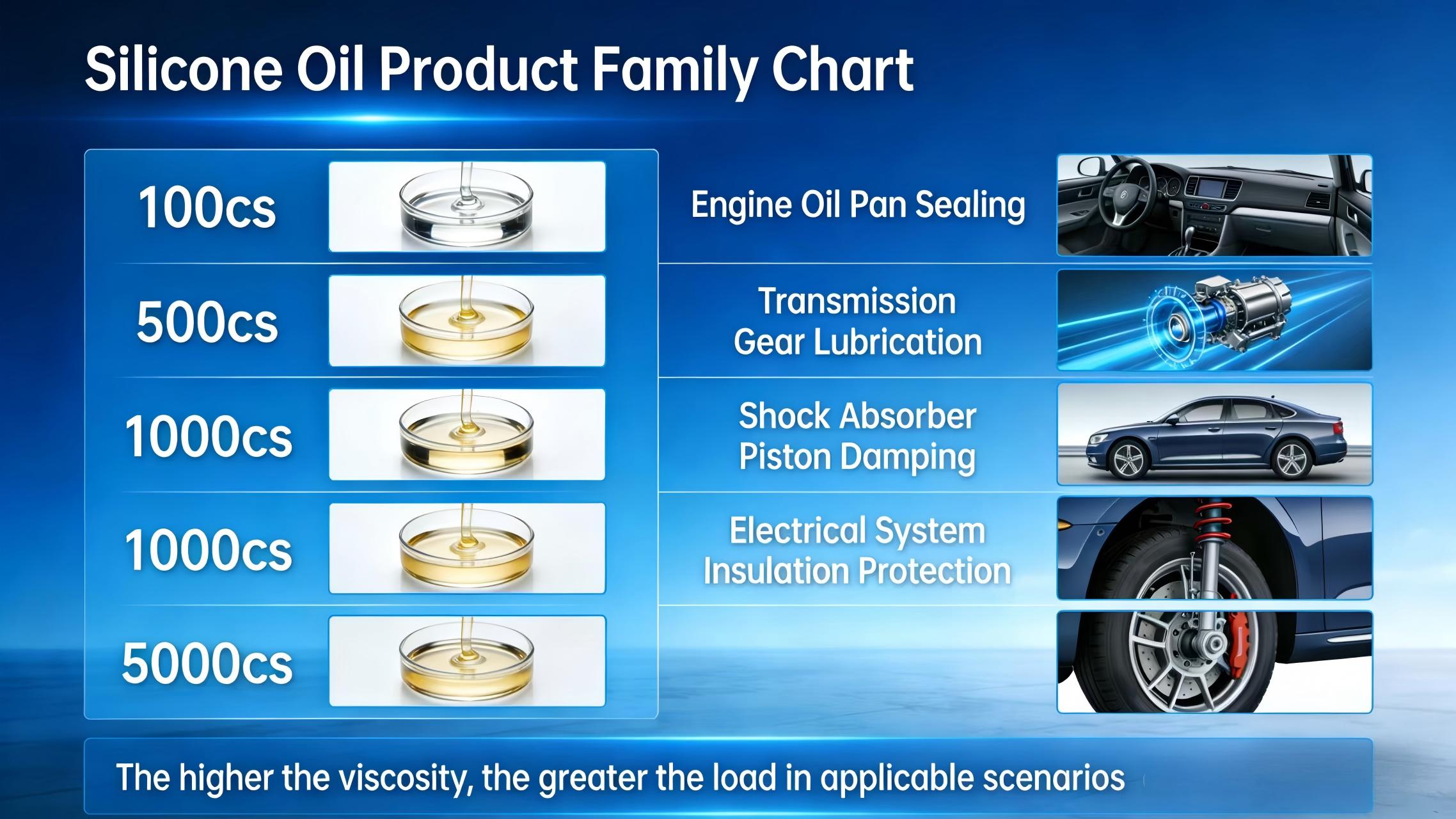
3.2 Engine Oil Defoaming
Internal combustion engines generate severe foam during operation, which can lead to poor lubrication, overheating, and accelerated wear. A small amount of silicone oil as a defoamer additive rapidly eliminates foam and improves engine oil stability.
3.3 High- Temperature Sensor & Wiring Protection
In the high- temperature engine compartment, phenyl silicone oil provides insulation, heat resistance, and anti aging protection for ignition cables, sensors, and electrical connectors.
3.4 Sealing & Gasket Protection
Silicone oil conditions rubber and silicone gaskets, preventing hardening, cracking, and fluid leakage, especially in timing covers, oil pans, and valve covers.
4. Silicone Oil in Chassis, Suspension & Damping Systems
Chassis components operate under vibration, impact, dust, and moisture. Silicone oil improves comfort, safety, and durability.
4.1 Shock Absorber & Damper Fluids
Special formulated silicone oil is used in high performance shock absorbers to provide:
· Stable damping force
· Consistent performance at low and high temperatures
· Reduced noise and improved ride comfort
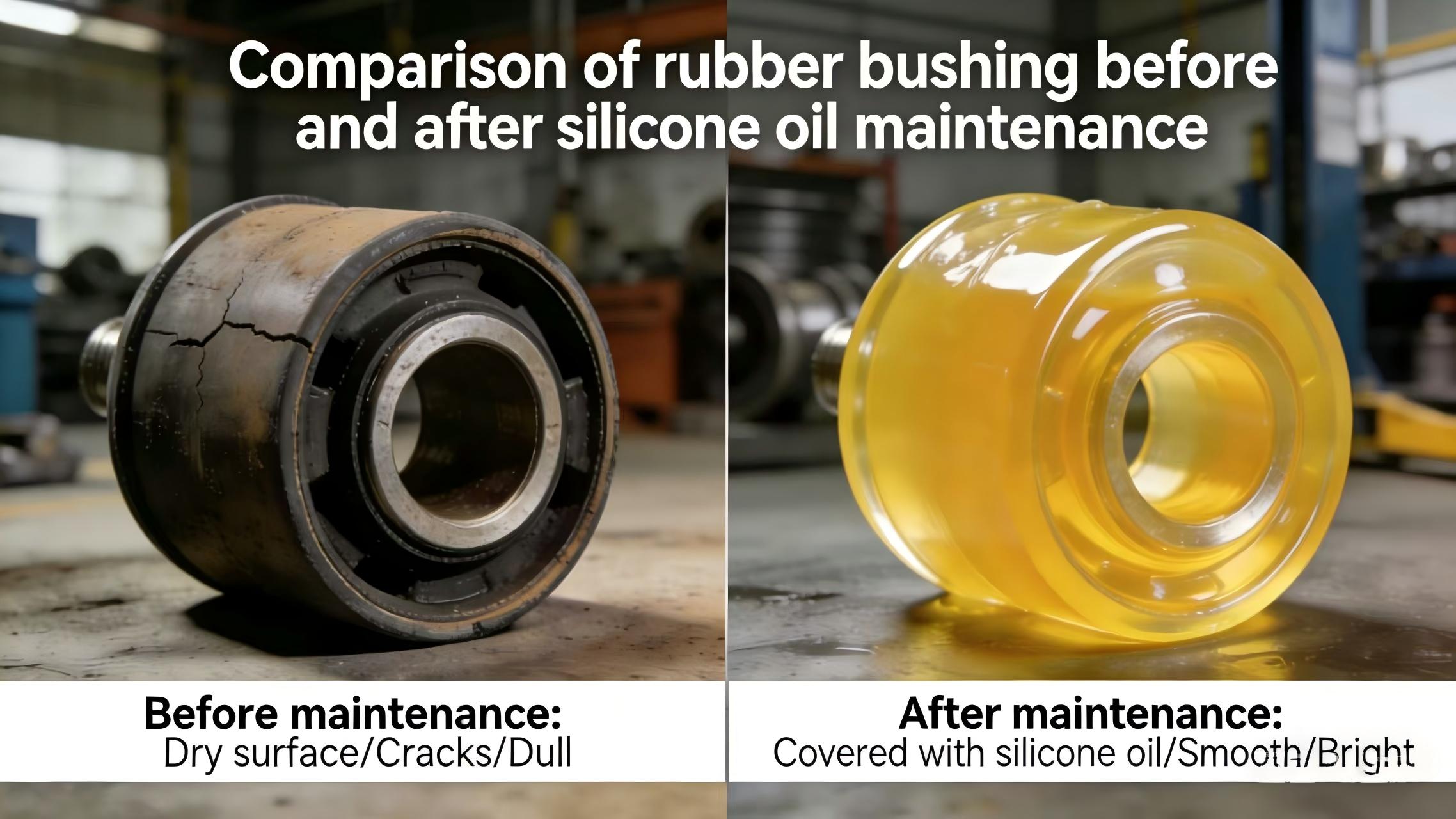
4.2 Rubber Bushing & Boot Lubrication & Protection
Control arm bushings, ball joint boots, and steering components rely on silicone oil to:
· Lubricate moving parts
· Prevent rubber cracking
· Resist water, mud, and salt spray
· Extend part lifetime
4.3 Chassis Connector & Sensor Insulation
Silicone oil protects electrical connectors in the chassis from moisture, corrosion, and poor contact, ensuring stable signal transmission.
5. Silicone Oil for Body, Sealing & Weatherstrip Systems
Body sealing directly affects noise, wind resistance, waterproofing, and durability. Silicone oil is widely used here.
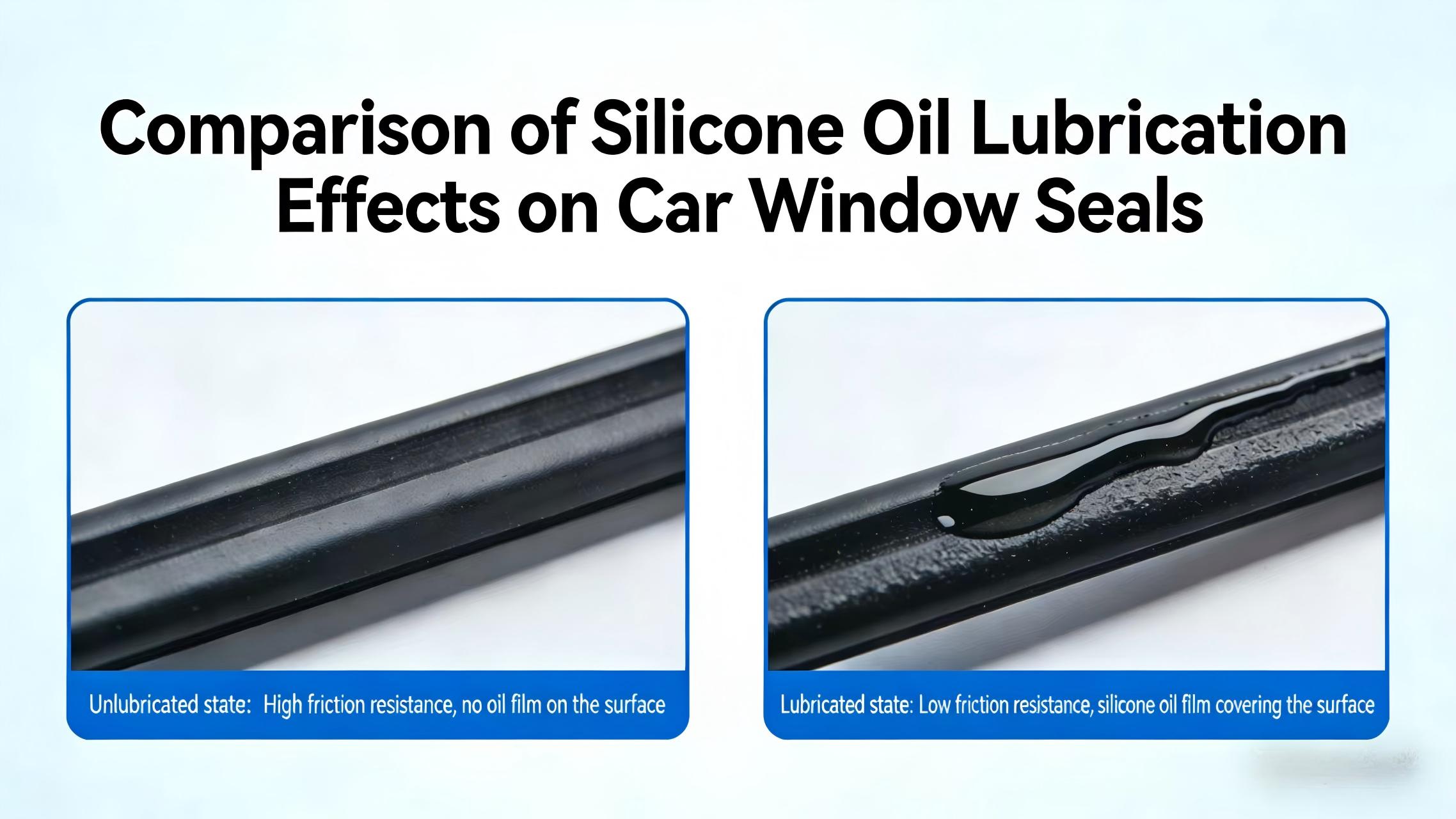
5.1 Door & Window Weatherstrip Lubrication
Weatherstrips made of EPDM or rubber often squeak, stick, or become brittle. Silicone oil:
· Eliminates squeaking
· Restores elasticity
· Prevents freezing shut in winter
· Improves sealing performance
5.2 Sunroof, Window Regulator & Slide Rail Lubrication
Silicone oil provides long lasting lubrication for sunroof mechanisms, window slides, and door hinges, ensuring smooth operation without dust accumulation or rust.
5.3 Waterproofing & Sealing Enhancement
Silicone oil forms a hydrophobic layer on sealing strips, improving water repellency during rain or car washing.
6. Silicone Oil in Automotive Interiors & Comfort Materials
Modern automotive interiors demand comfort, safety, low odor, and durability — all supported by silicone oil.
6.1 PU Foam Stabilizer for Seats & Headliners
Silicone oil is a key foam stabilizer in polyurethane (PU) foam production for seats, headrests, armrests, and sound insulating parts. It:
· Controls cell structure
· Ensures uniform, fine foam pores
· Improves softness, resilience, and durability
· Reduces settling and deformation over time
6.2 Dashboard & Plastic Trim Care
Silicone emulsions and low viscosity silicone oil are used in dashboard, door panel, and plastic trim care products to:
· Restore luster
· Resist UV fading
· Prevent cracking
· Repel dust
6.3 Leather & Fabric Protection
Silicone oil acts as a softener and water repellent for automotive leather and fabric, preventing staining, drying, and cracking.
7. Silicone Oil for Automotive Manufacturing & Mold Release
Silicone oil is essential in automotive parts production, especially for plastic, rubber, and composite components.
7.1 Mold Release Agent
Used in manufacturing bumpers, dashboards, grilles, lamp housings, and interior trims, silicone mold release agents:
· Enable smooth demolding
· Do not transfer to the part surface
· Do not affect painting or bonding
· Extend mold service life
7.2 Rubber & Elastomer Parts Production
Gaskets, seals, boots, and damping blocks rely on silicone oil for high quality demolding without surface defects.
7.3 Composite & Lightweight Materials
For carbon fiber, SMC, and fiberglass parts, silicone oil improves surface quality and release efficiency.
8. Silicone Oil for Electric Vehicles (EV) & New Energy Systems
The rise of electric vehicles has created huge new demand for silicone oil due to its insulation, thermal stability, and safety.
8.1 EV Battery Thermal Management
Silicone oil is used in direct and indirect battery cooling systems because it:
· Is electrically insulating
· Has excellent thermal stability
· Does not conduct electricity
· Ensures safe, even temperature distribution
8.2 Drive Motor Insulation & Damping
EV motors operate at high speeds and temperatures. Silicone oil provides:
· Electrical insulation
· Heat dissipation
· Vibration damping
· Protection from moisture and dust
8.3 Inverter, Connector & Wire Harness Protection
Silicone oil safeguards high voltage circuits, sensors, and connectors, improving reliability and service life.
9. Silicone Oil in Automotive Aftermarket & Care Products
Silicone oil is the foundation of many best selling car care products:
9.1 Multi Purpose Silicone Lubricant Spray
Used for weatherstrips, hinges, slides, and plastic parts.
9.2 Rubber & Plastic Revitalizer
Restores faded, dry bumpers, trims, and gaskets.
9.3 Dashboard & Interior Polish
Provides long lasting shine without greasiness.
9.4 Waterproofing & Anti Fog Products
Silicone additives improve glass water repellency and reduce fogging.
10. Why Choose Our Silicone Oil for Automotive Applications
Our company specializes in automotive grade silicone oil designed for the strict requirements of the global automotive industry.
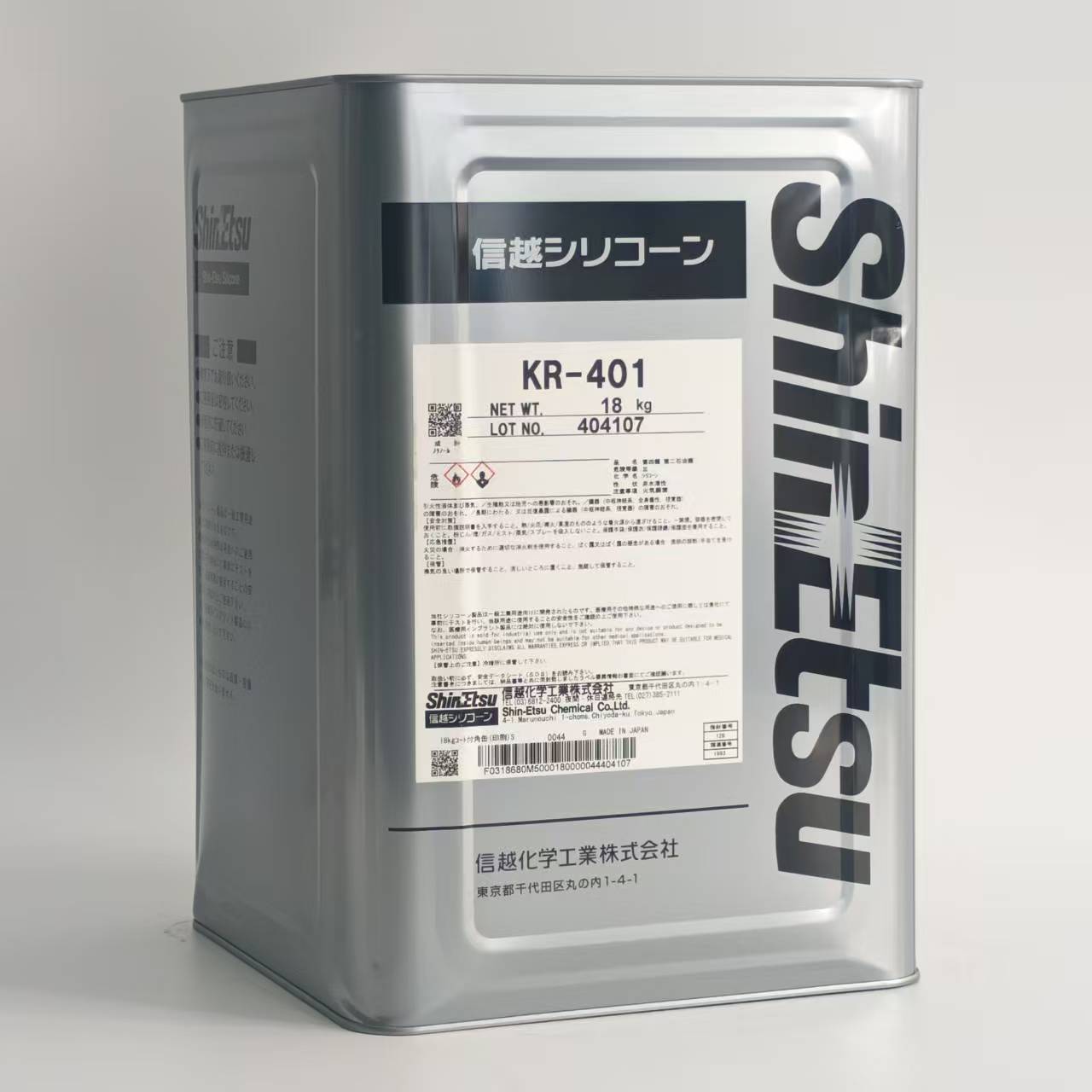
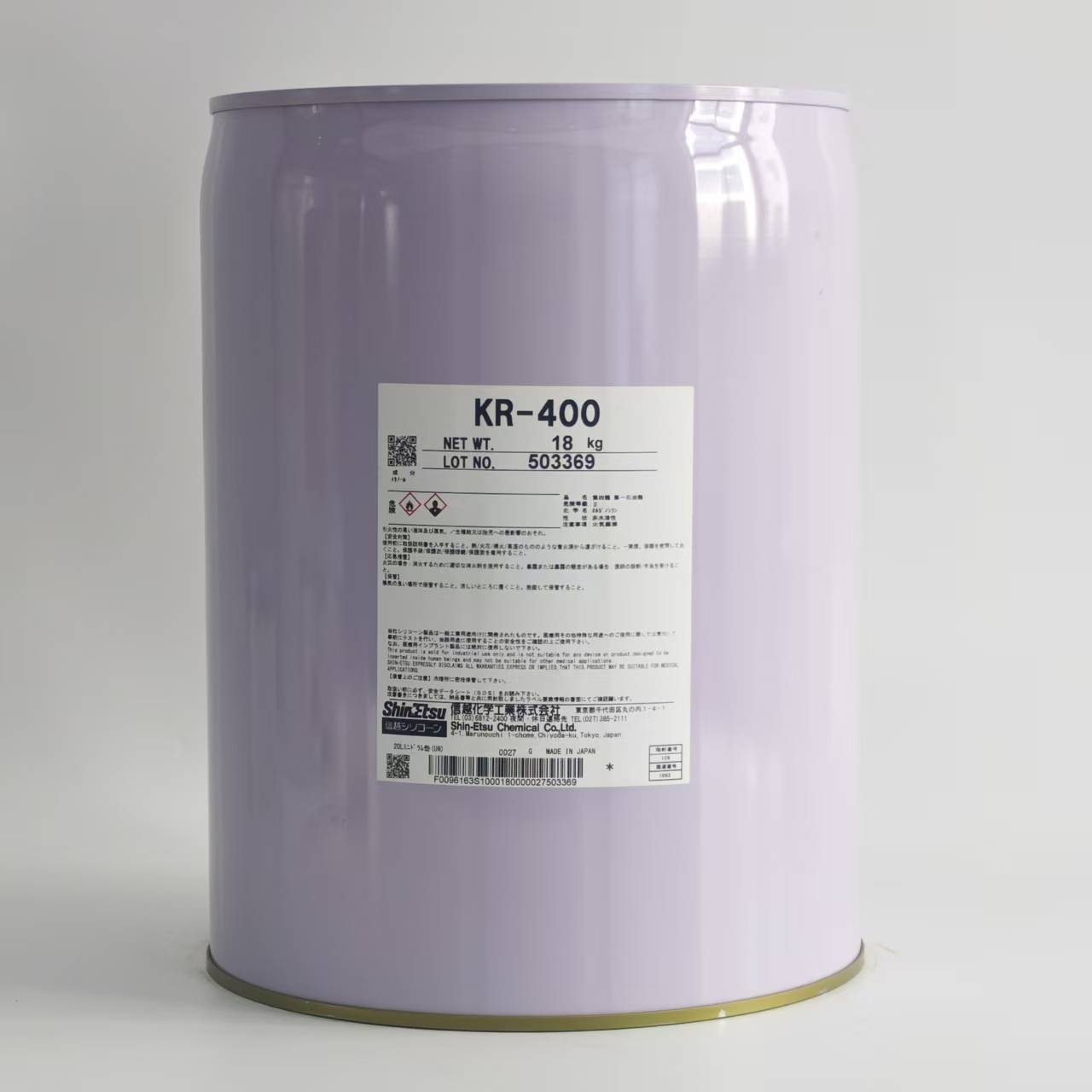
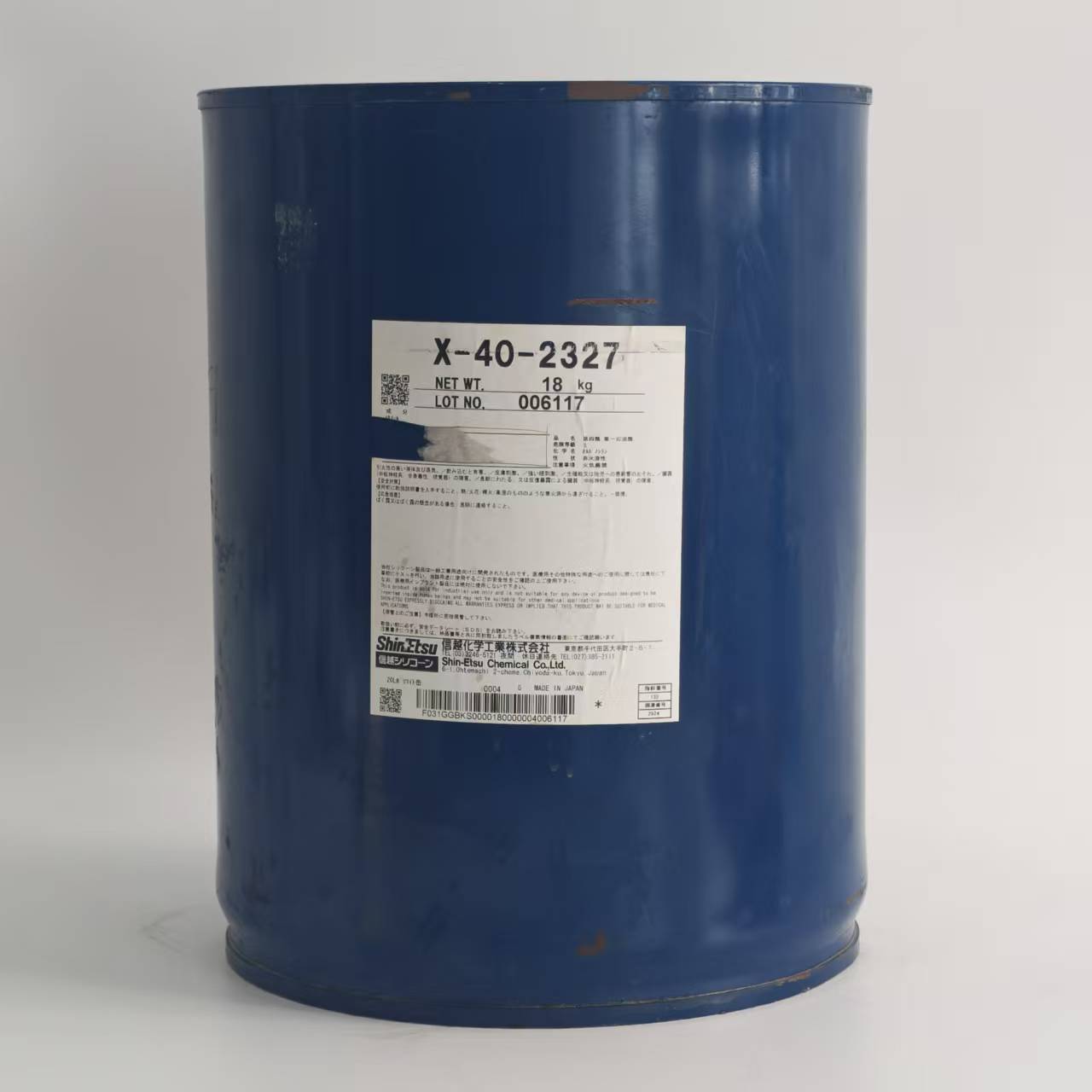
Our Advantages:
Full range of viscosities: 10 cSt to 100,000 cSt
Custom modified types: phenyl, amino, alkyl, hydroxyl, fluoro silicone
Strict purity control, low volatile, low odor
Stable quality matching OEM standards
Consistent supply chain and fast delivery
Professional technical support for formulation and application
Free samples available for testing
Whether for engine systems, EV batteries, interiors, or manufacturing, our silicone oil improves performance, safety, and durability while reducing costs.
11. Conclusion
Silicone oil is an indispensable multi functional material in the global automotive industry. Its outstanding temperature resistance, stability, insulation, lubricity, and durability support nearly every vehicle system — from traditional fuel cars to the latest electric and intelligent models.
As automotive technology continues to advance, silicone oil will remain a key material driving innovation in safety, comfort, efficiency, and environmental protection.
Our company is committed to providing high performance, reliable, and cost effective silicone oil solutions for automotive manufacturers, parts suppliers, and after sales markets worldwide. We look forward to cooperating with you to drive the future of the automotive industry.