



Can Silicone To Silicone Release Agent Reduce Tearing In Soft Silicone Parts?
Soft silicone parts are easy to deform during deMolding. A small lip can stretch too far, a thin wall can tear, and a glossy surface can pick up marks from the tool. For silicone product factories, medical-grade component suppliers, food-contact rubber parts manufacturers, and molding service providers, this is not only a quality issue. Once tearing happens repeatedly, the production schedule becomes unstable.
A silicone to silicone Release Agent can help reduce friction between the molded part and the tool surface, but the real value is not only easier release. In B2B production, stable release performance can protect output rhythm, reduce operator adjustment, and help factories avoid delays when customer orders are already arranged.
Table of Contents
Soft Silicone Parts Fail Differently From Rigid Parts
Thin Edges Tear First
Soft silicone parts often fail at the weakest positions. Thin edges, sealing lips, holes, corners, ribs, and fine details are more likely to stretch during demolding. If the part sticks to the cavity, the operator may need extra force to remove it. That force can create tearing, distortion, or surface pull marks.
For factories producing seals, food-contact parts, medical-related silicone components, flexible covers, or soft rubber assemblies, one damaged detail can make the whole part unusable. This is why the demolding stage needs more control than many buyers expect.
Manual Pulling Can Break Production Rhythm
When release is inconsistent, workers begin to adjust by experience. One operator may pull more slowly. Another may apply more force. Someone else may stop the machine to clean the tool. These small actions add time to every cycle.
The bigger problem appears during bulk orders. If the team cannot predict how smoothly each batch will demold, the production manager cannot confidently plan daily output. A release material should help make demolding more repeatable, not depend on who is standing at the machine.
Stable Release Supports Better Production Planning
A Small Material Can Affect The Whole Schedule
A release compound may look like a small consumable in the production list, but if it runs out or performs differently from batch to batch, the molding line can slow down quickly. For factories with confirmed customer delivery dates, that becomes a scheduling risk.
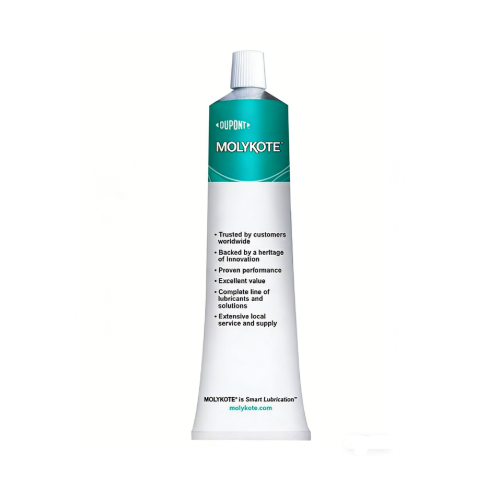
We are INNOSILTECH, and Molykote 7 Release Compound is supplied as a translucent white, grease-like silicone paste used as a release agent and lubricant for plastics, rubber, metals, and adhesive-related interfaces. For buyers reviewing silicone to silicone release agent options, the main concern should be whether the release material can support repeated molding work without creating sudden changes in the process.
Continuity Matters More Than Emergency Purchasing
Emergency purchasing is usually expensive and risky. A substitute release agent may feel different, spread differently, or leave a different surface condition. The technical team may need to test it again before using it in production. If the factory is already under delivery pressure, that delay can affect the whole order.
For regular silicone molding, buyers should plan release agent stock according to production frequency, mold quantity, part complexity, and monthly usage. A stable supply plan helps the molding team keep the same process instead of changing materials when an urgent order arrives.
The Release Film Should Be Controlled, Not Heavy
Too Much Material Can Create New Problems
A release agent should not be applied like a thick coating. In silicone molding, excess material may transfer to the part, affect surface feel, create cleaning work, or influence later bonding, printing, coating, or assembly steps. The goal is a thin and even release layer.
Molykote 7 Release Compound can be applied as a light film. This controlled use is important for factories that care about surface appearance and downstream processing. A clean release method can help reduce sticking without creating unnecessary residue problems.
Different Parts Need Different Application Habits
A thick silicone gasket, a soft baby-care component, a food-contact seal, and a fine medical-related rubber part may not need the same release approach. Mold temperature, part geometry, material hardness, and removal method all affect how much release support is needed.
Before mass production, factories should test the release layer on real parts. The best setting is usually found by checking demolding force, surface cleanliness, tearing rate, and whether the part still meets the next processing requirement.
Compatibility Should Be Checked Before Bulk Use
Silicone Materials Can Be Sensitive
Silicone parts are not all the same. Different hardness levels, additives, curing systems, and surface requirements can affect how a release compound performs. A material that works well on one molded part may need adjustment on another.
For B2B buyers, compatibility testing should happen before large-scale use. The test should confirm whether the release compound affects surface appearance, dimensional stability, later bonding, printing, or customer-specific cleanliness requirements.
Food And Water Related Uses Need Clear Review
Molykote 7 is positioned for food-grade and potable-water-related applications, with use cases such as O-ring assembly, valve lubrication, mold release, cable pulling, and packaging equipment contact points. For buyers working on food-contact silicone parts or water-related sealing components, compliance direction should be reviewed together with the final application.
This does not mean every silicone part can use the same method automatically. The buyer still needs to confirm end-use requirements, application amount, cleaning process, and customer documentation needs before production is locked.
A Better Way To Reduce Tearing Before The Next Order
A silicone to silicone release agent can help reduce tearing in soft silicone parts, but it should be treated as part of the molding process, not a quick fix added after defects appear. The best results usually come from stable material supply, controlled application, compatibility testing, and clear stock planning.
For silicone molding factories, the practical question is simple: how much production time is lost because parts stick, tear, or need extra handling during demolding? If that number is growing, the release step deserves a closer review.
We are INNOSILTECH. If your team is producing soft silicone parts, food-contact seals, O-rings, valves, or flexible molded components, you can share the part type, silicone hardness, mold condition, production volume, and surface requirements with us. We can help review whether Molykote 7 fits your release and lubrication needs before larger production planning begins.