




Cooling System Stop Leak: The Reliable Solution for Aluminum Engine Corrosion Protection
In modern cooling systems, leak control is only part of the job. For many workshops, parts distributors, coolant additive buyers, and private label maintenance brands, the bigger concern is what happens after small leaks begin. Coolant loss reduces thermal stability, weakens corrosion control, and leaves aluminum engine parts more exposed over time. That is why a good stop-leak product is not just about plugging a seep. It also needs to support system protection while the engine continues to run under normal operating conditions.
This is where a reliable radiator leak sealer becomes useful. In real service work, especially for aging vehicles, light industrial equipment, and mixed fleets, buyers are looking for a product that can circulate properly, seal minor leaks without blocking normal flow, and help protect aluminum engine blocks and cylinder heads. That combination matters because aluminum systems are common, but they are also sensitive to coolant imbalance, oxidation risk, and long-term internal corrosion.
Our product fits this use case naturally. It is a liquid cooling system treatment made to seal minor leaks while maintaining normal coolant circulation. It is also suitable for aluminum engine blocks and cylinder heads, which makes it especially relevant for customers who need practical cooling-system maintenance products rather than a simple emergency fix.
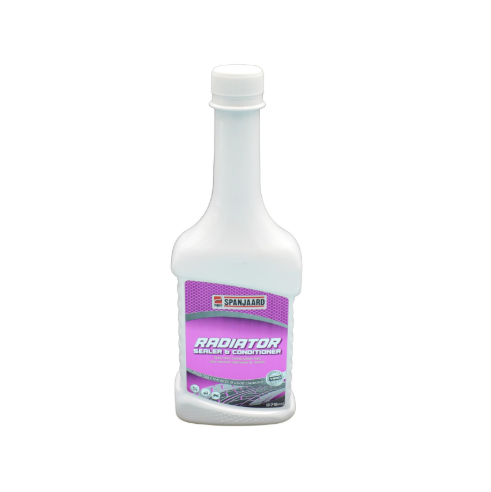
Table of Contents
- Why Small Cooling Leaks Turn Into Bigger Corrosion Problems
- Why Aluminum Engine Protection Matters In Real Applications
- How A Cooling System Stop-Leak Product Works In Practice
- Why Corrosion Protection Adds More Value Than Sealing Alone
- Where B-End Buyers Usually Feel The Pain
- Why Bulk Supply Makes More Sense For Distributors And Workshops
- Why OEM And ODM Support Matter In This Market
- Why Practical Application Matters More Than Marketing Language
- Conclusion
Why Small Cooling Leaks Turn Into Bigger Corrosion Problems
A minor leak often looks harmless at first. The engine may still run, the coolant level may only drop slowly, and the equipment may not show immediate overheating. But for professional buyers, this is exactly where hidden maintenance cost begins.
Once coolant escapes, the system becomes less stable. Heat transfer can become less efficient, air can enter more easily, and internal metal surfaces are no longer protected as consistently as they should be. In aluminum engines, that matters even more. Aluminum components are widely used because they are light and efficient, but they still depend on stable coolant chemistry and proper system condition to resist long-term corrosion.
That is why many B-end buyers do not treat stop-leak products as one-time convenience items. They look at them as part of practical cooling-system maintenance. A radiator leak sealer that can address seepage while supporting corrosion protection is more valuable than a formula that only gives a short-lived seal.
Why Aluminum Engine Protection Matters In Real Applications
Aluminum engine blocks and cylinder heads are common in modern vehicles and equipment, but they need proper cooling-system care. If the system is neglected, corrosion, oxidation, and internal deposit problems can gradually affect reliability. This is especially relevant in fleets, workshops, agriculture equipment service, light industrial machinery, and export maintenance channels where equipment may not always receive ideal servicing intervals.
In these situations, buyers usually care about more than leak repair alone. They want a treatment that works within the cooling system without attacking aluminum parts or interfering with normal coolant use. They also want a product that supports continued operation while a more permanent repair is being scheduled.
That is one of the practical reasons this product category remains important. A reliable stop-leak and conditioner can help control small problems before they create bigger failures, and that helps maintenance teams reduce downtime pressure.
How A Cooling System Stop-Leak Product Works In Practice
In real use, a cooling-system stop-leak treatment circulates with the coolant and responds at the leak point rather than forcing a full disassembly. This makes it useful for minor radiator leaks, light hose seepage, and similar small cooling-system loss points where immediate teardown is not ideal.
The practical advantage is speed and continuity. Maintenance teams can add the treatment, allow it to circulate under normal operation, and let it form a controlled seal where seepage occurs. For workshops and distributors, that makes the product easier to position. It is not being sold as a substitute for all mechanical repair. It is being sold as a practical solution for minor leak control, short-term reliability, and ongoing cooling-system support.
Our product connects well with this application logic because it is made to circulate normally in the cooling system, seal minor leaks, and remain compatible with commonly used antifreeze formulations. That balance matters. A stop-leak product must be active enough to help close small leak paths, but stable enough not to disrupt normal coolant flow.
Why Corrosion Protection Adds More Value Than Sealing Alone
Sealing alone is not enough for many professional buyers. In actual service environments, the more important question is whether the treatment helps the cooling system remain in usable condition after the leak has been controlled.
Corrosion protection is where the extra value appears. When a product helps reduce oxidation risk and supports more stable internal conditions, it does more than solve an immediate fluid-loss problem. It helps protect the system from the kind of long-term degradation that raises maintenance cost later. For aluminum engine components, this is especially important because internal corrosion does not always show obvious symptoms at the beginning.
That is why a combined sealing-and-conditioning product is easier to sell across B-end channels. Wholesalers, parts importers, workshop supply buyers, and OEM maintenance brands usually prefer products with a broader service story. They want something that helps with leak sealing, but also supports cooling-system protection and continued serviceability.
Where B-End Buyers Usually Feel The Pain
For business buyers, the real pain points are usually not technical terms on a label. They are the practical problems that appear after purchase.
One common issue is inconsistency. A product may perform acceptably in one case but poorly in another, making it hard for distributors or workshops to build trust around repeat use. Another is compatibility concern. Buyers do not want a formula that creates uncertainty in aluminum systems or forces them to explain complicated usage limits to customers. A third issue is positioning. If the product only works as an emergency fix with no broader maintenance value, it becomes harder to differentiate in a crowded market.
This is why buyers often prefer a solution with a clear application story. A cooling-system treatment that seals minor leaks, supports corrosion control, and remains suitable for aluminum engines is easier to place in the market. It gives resellers and service providers a more practical message to bring to customers.
Why Bulk Supply Makes More Sense For Distributors And Workshops
For workshops, fleet supply channels, industrial maintenance traders, and aftermarket distributors, bulk purchasing is often about more than price. It is about continuity. When the same product can be stocked and supplied repeatedly, it becomes easier to standardize maintenance recommendations and improve purchasing efficiency.
That is especially true in this category. Cooling-system products are often bought as part of a wider service range, not as one isolated item. Buyers may need stable packaging, repeat supply, and a product that can serve multiple service situations such as radiator leaks, hose seepage, and general corrosion-prevention support.
A dependable radiator leak sealer gives buyers that kind of flexibility. It can serve routine workshop demand, emergency field use, and private label distribution more effectively when supply remains consistent.
Why OEM And ODM Support Matter In This Market
For many buyers, especially private label brands and regional distributors, the product itself is only one part of the business model. Packaging, labeling, market positioning, and long-term supply support also matter. That is where OEM and ODM cooperation adds real value.
OEM service is useful when customers need specific packaging formats, custom branding, or a supply structure that fits their own sales channels. ODM support becomes more relevant when buyers want to build a broader cooling-system chemical line or adapt the product story to a more specialized market segment.
In practice, this matters because the cooling-system additive market is competitive. Buyers do not just want access to a formula. They want a supplier that can support repeat programs, stable sourcing, and commercial flexibility. A supplier that understands both application and business needs is more useful than one that only ships product.
Why Practical Application Matters More Than Marketing Language
In this category, buyers usually trust practical value over exaggerated claims. They want to know whether the treatment works in real systems, whether it is safe for aluminum components, whether it can circulate with normal coolant, and whether it helps reduce future maintenance pressure.
That is why application-driven positioning is stronger than generic promotion. Our product is easier to understand because it is directly tied to the real service tasks buyers deal with every day: sealing minor leaks, maintaining coolant circulation, supporting corrosion protection, and helping keep aluminum cooling systems in better condition.
For workshop supply buyers and distribution partners, that makes the product easier to sell. It answers a real problem in a direct way.
Conclusion
Cooling-system maintenance is not only about stopping a leak. It is also about protecting the system that remains. A reliable radiator leak sealer helps control minor seepage while supporting normal coolant circulation and reducing corrosion-related risk, especially in aluminum engine blocks and cylinder heads.
Our product matches this need well because it combines leak-sealing action with cooling-system conditioning and aluminum-safe use. For distributors, workshops, OEM programs, and private label buyers, that creates a practical solution with broader service value and better long-term market potential.
If you are comparing cooling-system treatments, planning a bulk purchase, or looking for OEM or ODM supply support, send us your target market and application needs. We can help you review the right product direction and offer practical guidance for your next order.