




A Complete Guide to Silicone Materials: Structure, Properties, Industry Chain, and Product Classifications
Silicone materials are widely used in construction, electronics, transportation, healthcare, personal care, renewable energy, and consumer products. Their versatility comes from a distinctive molecular structure that combines the stability of inorganic materials with the flexibility of organic polymers.
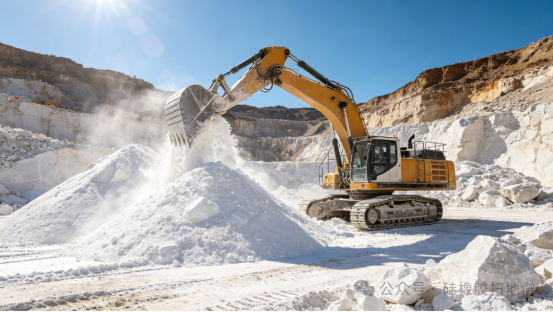
Table of Contents
What Are Silicone Materials?
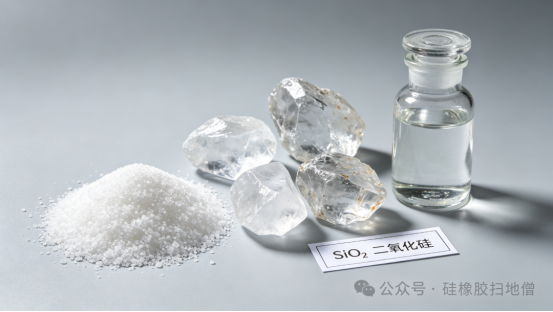
Silicon is the second most abundant element in the Earth's crust after oxygen. In nature, it normally occurs as silicon dioxide or silicates in sand, quartz, rocks, glass, ceramics, cement, and concrete. These inorganic silicon materials are generally hard and brittle.
Organosilicon compounds contain at least one direct silicon-carbon bond. Commercial silicones are usually based on polysiloxanes with an Si-O-Si backbone and organic groups attached to silicon atoms.
Several terms should be distinguished:
Organosilicon compounds: The broad chemical category containing Si-C bonds
Siloxanes: Compounds characterized by Si-O-Si structural units
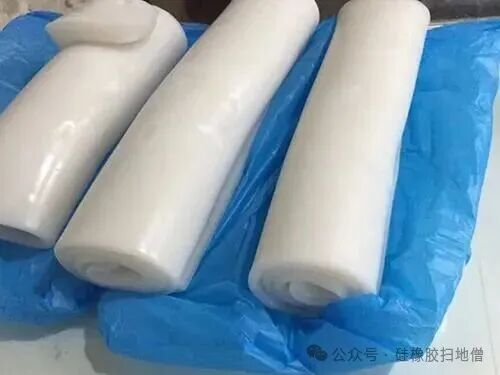
Silicone rubber: Crosslinked elastic polysiloxane materials
Silicone Fluids: Liquid polysiloxanes with different viscosities
Silicone Resins: Highly crosslinked thermosetting silicone polymers
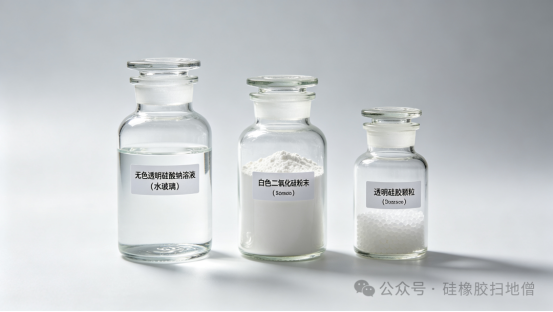
Silica gel: A porous inorganic form of hydrated silicon dioxide, not silicone rubber
Why Does Silicone Perform Differently?
The silicon-oxygen bond has a bond energy of approximately 452 kJ/mol, compared with about 347 kJ/mol for a carbon-carbon bond. This stronger backbone contributes to the heat, oxidation, and weather resistance of silicone materials.
Organic side groups can be modified to adjust performance:
Methyl groups provide hydrophobicity and weather resistance.
Phenyl groups improve heat resistance and radiation resistance.
Vinyl groups provide reactive sites for crosslinking.
Fluoroalkyl groups improve resistance to fuels, oils, and solvents.
This adjustable molecular structure allows manufacturers to develop silicone formulations for different processing methods and operating environments.
Core Properties of Silicone
Temperature Resistance
General-purpose silicone rubber can often remain in long-term service between approximately -50°C and 200°C. Specialized formulations may operate across wider temperature ranges. Actual performance depends on the formulation, exposure time, mechanical load, and surrounding environment.
Weather Resistance
Silicone materials generally resist ultraviolet radiation, ozone, humidity, and outdoor aging. These properties support their use in architectural sealants, outdoor electrical components, automotive seals, and protective coatings.
Flexibility and Elasticity
Silicone elastomers can recover after stretching, compression, and bending. They are therefore widely used for seals, gaskets, cushions, tubing, and vibration-control components.
Electrical Insulation
Many silicone formulations maintain stable dielectric performance across broad temperature and humidity ranges. Common applications include electronic potting compounds, cable jackets, insulating coatings, power modules, and electrical seals.
Moisture Resistance
Low-polarity organic groups give many silicone surfaces relatively low surface energy. This helps repel water and supports applications in waterproof coatings, sealants, electronics protection, and construction materials.
Silicone is not suitable for every environment. General-purpose grades may swell in fuels or solvents, while strong acids, strong alkalis, and harsh hydrothermal conditions may cause degradation. Performance must always be evaluated using data for the specific formulation.
How Is the Silicone Industry Chain Organized?
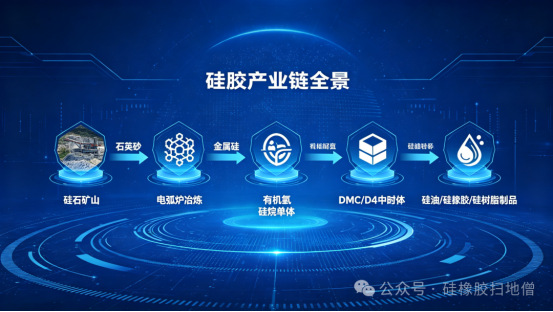
The silicone industry chain can be divided into three levels:
Organosilicon monomers: Materials such as dimethyldichlorosilane and methyltrichlorosilane
Silicone intermediates: Cyclic and linear siloxanes such as octamethylcyclotetrasiloxane and dimethylcyclosiloxane mixtures
Silicone polymers and products: Silicone rubber, fluids, resins, gels, potting compounds, adhesives, release coatings, and specialty silicones
Silicone monomers are generally produced from silicon metal through chemical processing. The monomers are converted into intermediates, which are then polymerized and formulated with fillers, catalysts, pigments, and functional additives.
Main Types of Silicone Products
Silicone Rubber
Silicone rubber is available in several processing forms:
| Type | Abbreviation | Typical Applications |
|---|---|---|
| High-temperature vulcanized silicone rubber | HTV or HCR | Cable jackets, appliance parts, and high-temperature seals |
| Room-temperature vulcanizing silicone rubber | RTV | Construction sealants, glazing sealants, and potting compounds |
| Liquid silicone rubber | LSR | Medical parts, baby bottle nipples, seals, and precision-molded components |
Silicone rubber may be cured through peroxide, condensation, or platinum-catalyzed addition systems. Each curing method differs in processing temperature, shrinkage, by-products, cost, and final performance.
Silicone Fluids
Silicone fluids are liquid polysiloxanes available across a wide viscosity range. They offer lubrication, release performance, low surface tension, electrical insulation, and relatively stable viscosity across changing temperatures.
Modified silicone fluids are used as textile softeners, coating leveling agents, agricultural additives, defoamers, personal-care ingredients, and surface-treatment materials.
Silicone Resins
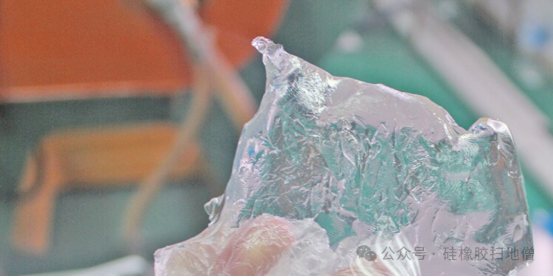
Silicone resins are highly crosslinked thermosetting polymers. They provide heat resistance, weather resistance, dielectric stability, and moisture protection.
Common applications include electrical insulating varnishes, high-temperature coatings, weather-resistant architectural coatings, water-repellent treatments, and heat-resistant adhesive systems.
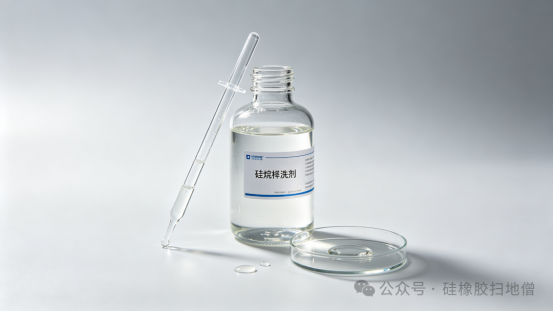
Silane Coupling Agents
Silane coupling agents contain groups capable of reacting with both inorganic surfaces and organic polymers. They form a molecular bridge across the inorganic-organic interface and can improve adhesion, dispersion, water resistance, and composite performance.
They are commonly used in glass-fiber composites, mineral fillers, sealants, structural adhesives, coatings, concrete protection, and stone treatments.
Silicone Gels and Potting Compounds
Silicone gels provide electrical insulation, cushioning, gap filling, and protection against thermal expansion. Potting compounds can be formulated as soft gels, elastomers, thermally conductive materials, flame-retardant systems, or high-temperature protective materials.
Typical applications include electronic modules, transformers, sensors, LED drivers, photovoltaic equipment, battery systems, and automotive electronics.
Major Application Areas
Silicone materials are used across many industries:
Construction: Structural glazing sealants, weatherproof sealants, waterproof coatings, and door and window seals
Electronics: Potting compounds, thermal interface materials, insulating coatings, and cable protection
Automotive: Engine seals, wiring harness protection, lamp seals, ignition-coil potting, and vibration-control parts
Renewable energy: Battery sealants, thermal pads, photovoltaic encapsulation, and energy-storage electronics
Healthcare: Medical tubing, respiratory masks, seals, and implantable device components using qualified medical grades
Food contact: Baking molds, baby bottle nipples, kitchen utensils, and storage covers using compliant food-grade formulations
Personal care: Hair-conditioning agents, film-forming ingredients, sensory modifiers, and water-resistant cosmetic materials
Industrial processing: Defoamers, Release Agents, lubricants, surface modifiers, and adhesion promoters
How Should Silicone Materials Be Selected?
Selection should be based on the real operating environment rather than the general reputation of silicone.
| Application Requirement | Preferred Material |
|---|---|
| Continuous high-temperature exposure | HTV or phenyl silicone rubber |
| Outdoor weather resistance | Weather-resistant silicone rubber or silicone resin |
| Electrical insulation | Addition-cure silicone rubber, silicone gel, or silicone resin |
| Thermal management | Thermal grease or thermally conductive potting compound |
| Oil and solvent resistance | Fluorosilicone rubber |
| Construction sealing | RTV silicone sealant |
| Food contact | Tested food-grade silicone rubber |
| Medical contact | Validated medical-grade silicone rubber |
Temperature range, chemical exposure, mechanical stress, curing process, adhesion, electrical performance, and regulatory requirements should all be confirmed before material approval.
Frequently Asked Questions
Is Silicone Rubber the Same as Silica Gel?
No. Silicone rubber is a flexible polysiloxane elastomer, while silica gel is a porous inorganic material made primarily from hydrated silicon dioxide. Silicone rubber is used in seals and molded products, while silica gel is commonly used as a desiccant or adsorbent.
What Are DMC and D4?
D4 is octamethylcyclotetrasiloxane, a cyclic siloxane containing four siloxane units. DMC is a mixture of dimethylcyclosiloxanes used as an intermediate for manufacturing silicone fluids, silicone rubber, and other polysiloxane products.
Is Every Silicone Material Food-Safe?
No. Food-contact safety depends on the exact formulation, manufacturing conditions, migration performance, and regulatory testing. Industrial silicone should not be used for food contact without valid compliance documentation.
Can Silicone Rubber Be Recycled?
Cured silicone rubber is difficult to recycle because of its stable crosslinked structure. Current methods include crushing it for use as a filler, chemically recovering siloxane intermediates, and controlled energy recovery. More efficient recycling remains an important industry research direction.
Conclusion
Silicone materials combine heat resistance, weather resistance, flexibility, electrical insulation, and adjustable surface properties. Their performance can be tailored through polymer structure, organic functional groups, fillers, catalysts, and curing systems.
Correct material selection requires matching the silicone grade to the actual temperature, chemical, mechanical, electrical, and regulatory conditions. Technical data for the specific formulation should always take priority over general descriptions of silicone performance.
Disclaimer
Some information in this article was compiled from publicly available industry materials and is provided for general reference and technical exchange. Product performance varies by formulation and application conditions. Specific materials should be evaluated through technical documentation and appropriate testing before use.
This article was adapted from content published by the WeChat public account "Silicone Rubber Sweeping Monk." Please contact us if any reproduced material affects intellectual property rights or other lawful interests.
