



QuanFeng Sf-102 - Cotton Tencel-Like Silicone Emulsion
-
+852 9408 1652 WhatsApp
-
info@innosiltech.com Email
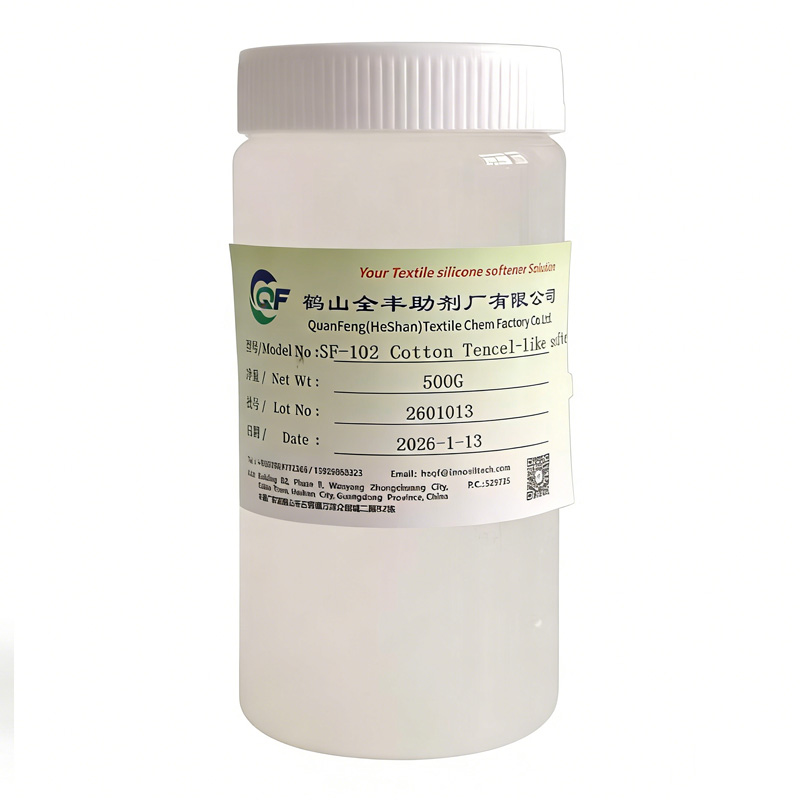
This Silicone softening Agent is a textile finishing auxiliary used after dyeing or washing to upgrade the hand feel and wearing comfort of cotton and cotton-blend fabrics. It can be used as a smoothing finishing agent for Tencel, Tencel-like fabrics and knitted fabrics, and also serves as a smoothing agent. It helps fabrics feel smoother and cleaner to the touch, with a more fluid drape and a more refined surface look. After finishing, garments typically show a more premium, Tencel-like touch, along with improved softness that lasts through handling and normal processing steps. This product can be used alone.
Products parameters
| Appearance: | Colorless Transparent Liquid |
| Solid Content: | 90% |
| Ionicity: | Weak Cations |
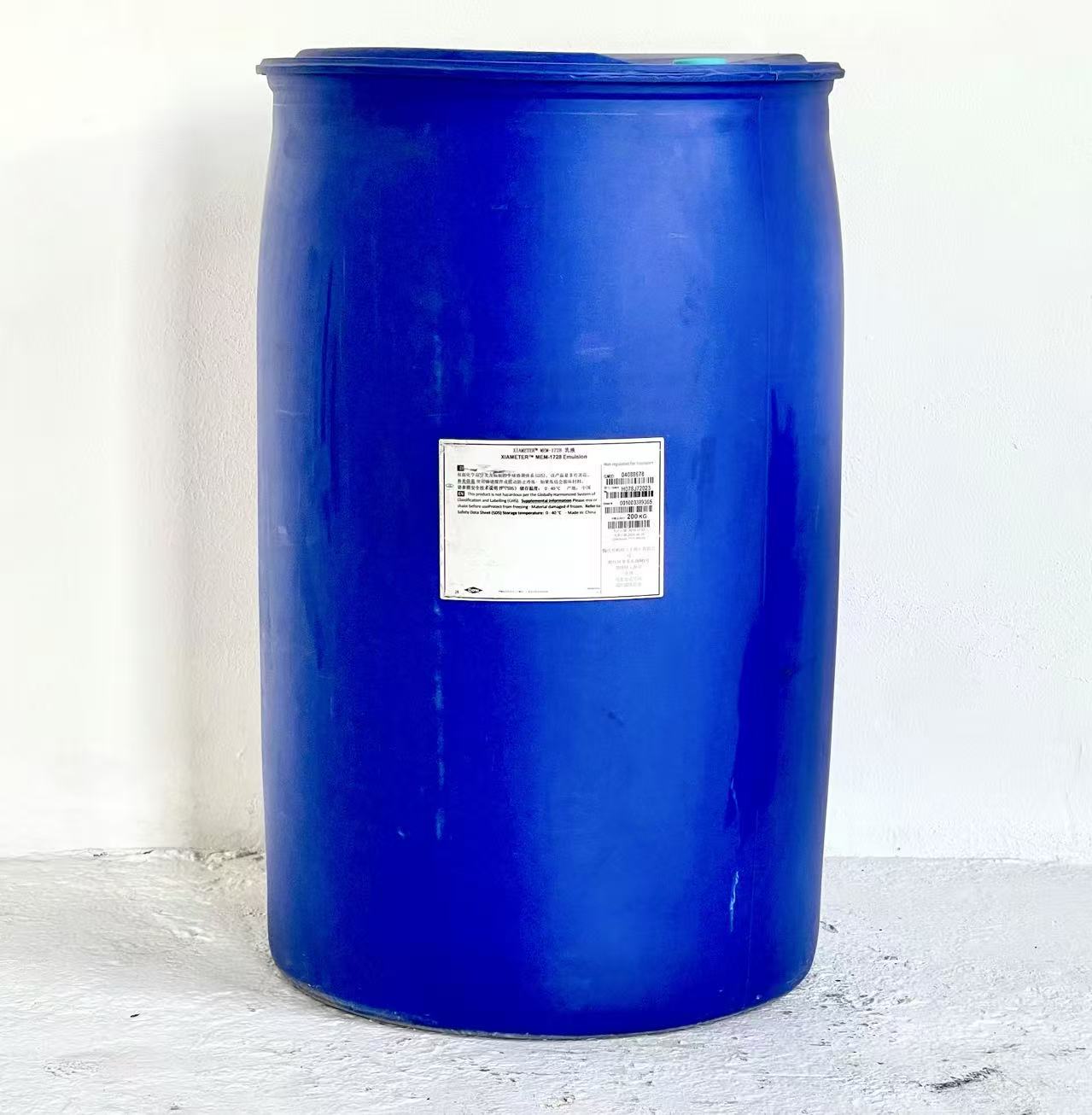
| Package: | 120kg, 200kg |
Key features
High Smoothness - This silicone softening agent forms a uniform lubricating layer on the fiber surface, reducing surface friction between yarns and improving tactile smoothness. With a 90% solid content, the concentration of active material is significantly higher than standard softening emulsions that typically range between 30–60%. This allows finishing mills to achieve the desired hand feel using lower dosage levels while maintaining stable process efficiency and consistent softness across production batches.
Stable Elasticity - The weak cationic silicone structure interacts with cotton fibers to improve flexibility and recovery behavior during bending and compression. Fabrics finished with silicone softening systems can show 10–20% improvement in elastic recovery values during laboratory flex testing compared with untreated cotton fabrics. This contributes to better fabric resilience and helps maintain garment shape after repeated handling, washing, or mechanical stress during textile processing.
Enhanced Luster - The silicone film formed on the fabric surface helps create a more uniform light reflection layer after finishing processes. When used in conjunction with calendering processes operating at 160–190°C surface temperatures, the fabric surface can develop a deeper and more consistent sheen. The improved reflectivity allows cotton fabrics to achieve a more refined appearance without increasing fabric stiffness or negatively affecting softness.
Process Stability - The formulation provides strong compatibility with standard textile finishing systems used in cotton processing lines. Its weak cationic ionic character allows stable interaction with fiber surfaces while minimizing incompatibility with commonly used finishing auxiliaries. In industrial finishing lines, stable bath performance can typically be maintained within pH ranges of 5.0–7.0, which supports consistent finishing performance during continuous production.
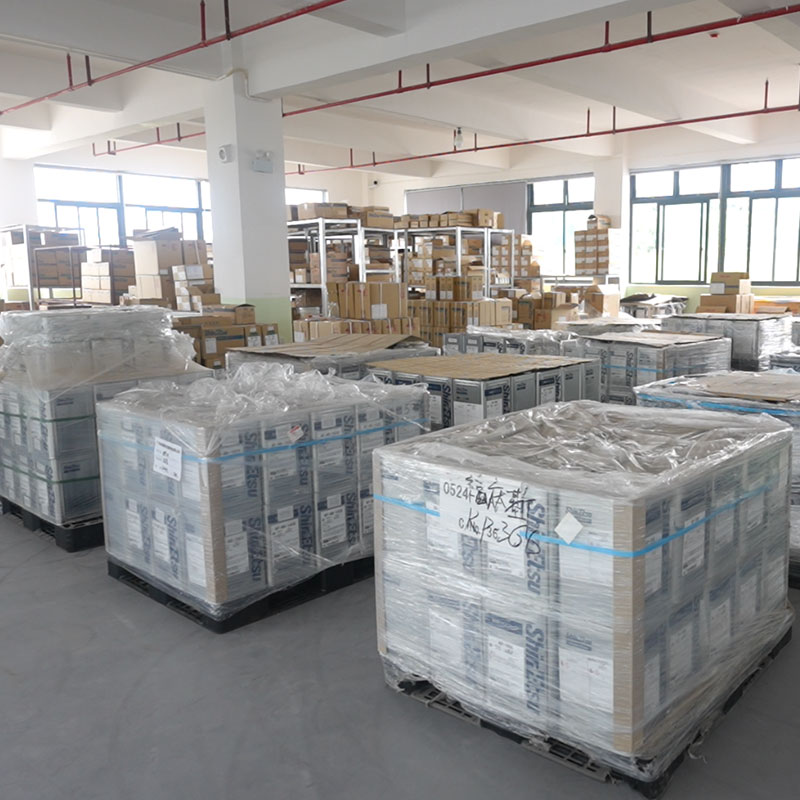
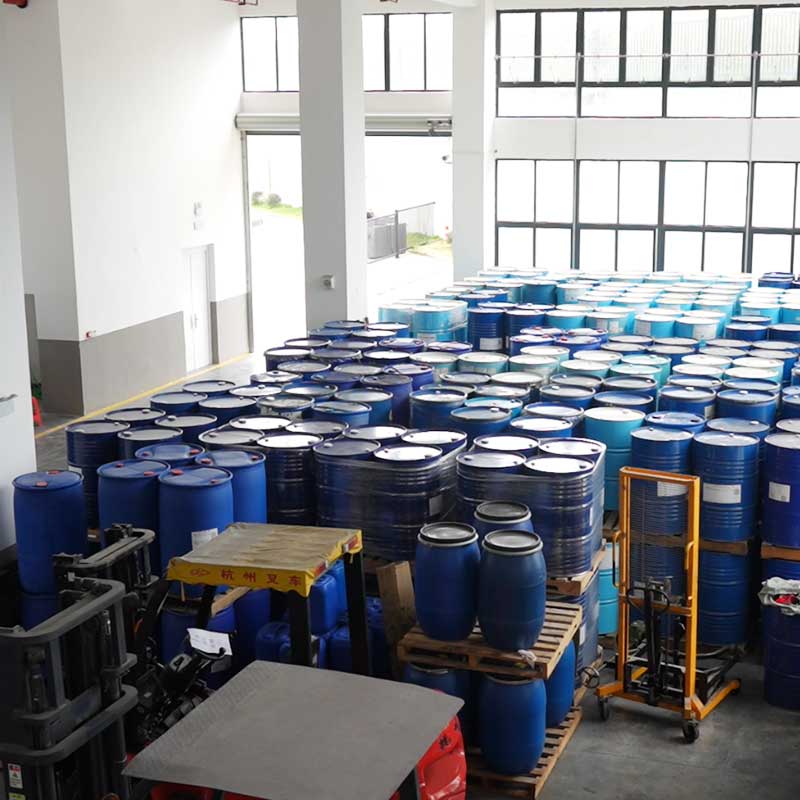
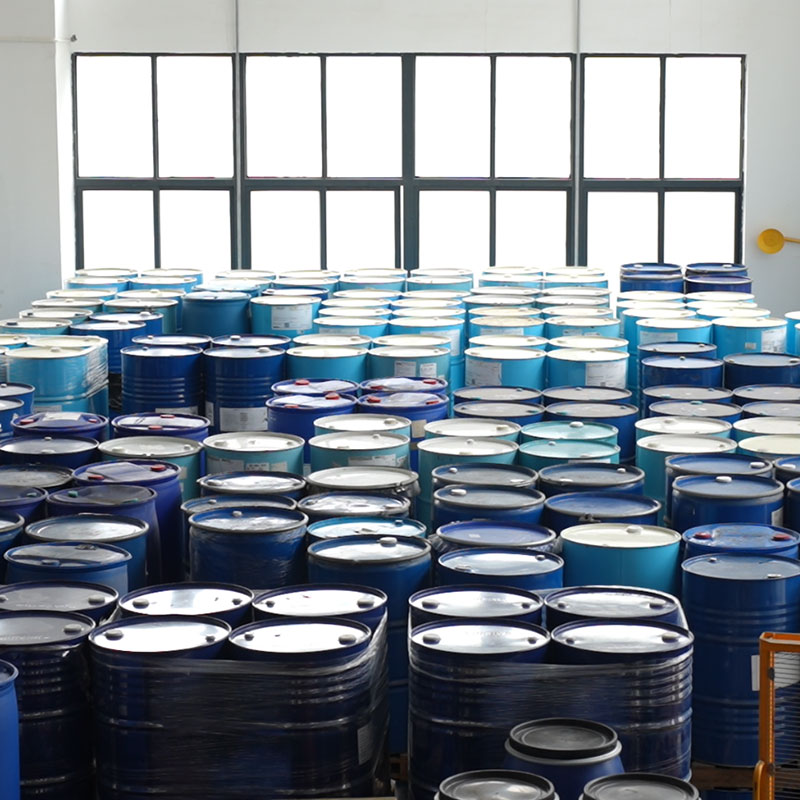
Storage Reliability - The product maintains stable physical properties during storage and transportation, helping factories maintain consistent finishing results over time. The appearance remains colorless transparent liquid, allowing easy visual inspection during incoming quality control. Industrial packaging formats such as 120 kg and 200 kg containers support bulk supply management and efficient handling in textile chemical storage systems used in large finishing facilities.
Cotton Knits - Silicone softening agent can be applied during the final finishing stage of cotton knitted fabrics to improve tactile quality and garment comfort. After padding or exhaustion treatment, the fabric is dried and set to allow the softening layer to form on the fiber surface. This process significantly enhances the softness perception of cotton knitwear, making finished garments feel smoother and more comfortable during wear.
Woven Cotton - In woven cotton finishing processes, the silicone softening agent can be applied after dyeing to refine the final texture of the fabric. The finishing bath is typically introduced during the last padding stage, followed by drying and heat setting to stabilize the finish. This treatment improves the fluidity of the woven structure and helps fabrics maintain a more natural drape during garment movement.
Calender Finish - For cotton fabrics requiring a polished surface appearance, the silicone softening agent can be applied before calendering operations. After the chemical finish is evenly applied, the fabric passes through heated rollers where pressure and temperature enhance the surface smoothness. The resulting fabric shows a more uniform surface reflection and a more refined visual quality suitable for premium textile products
Garment Processing - In garment washing or post-processing operations, silicone softening agents can be used to upgrade the tactile quality of finished clothing items. The agent is added during the final rinse or softening step, allowing the chemical to evenly distribute across the fabric surface. After drying, garments show improved softness and a smoother hand feel, which enhances overall wearing comfort and product quality perception.
Cotton Blends - Silicone softening agents are also suitable for finishing cotton blended fabrics where tactile balance between different fibers is required. During the final finishing bath, the agent helps harmonize the surface characteristics of cotton and synthetic components. This treatment helps maintain a consistent hand feel throughout the fabric while improving the overall softness and visual quality of blended textile materials.