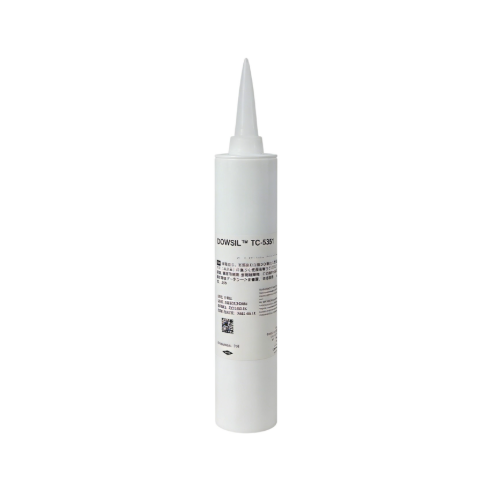




Why Do Power Electronics Manufacturers Face Heat Transfer Problems When Using Dowsil TC-5351?
Power Electronics manufacturers often face unexpected heat management issues despite using high-performance materials. Dowsil TC-5351, a non-curing thermally conductive compound, is widely applied in heat-sensitive applications such as power modules, inverters, industrial electronics, and automotive electronics. Yet, variations between batches, inconsistent application, or improper panel preparation can lead to hotspots, reduced thermal efficiency, and assembly delays that impact large-scale production.
For buyers, understanding the real-world behavior of Dowsil TC-5351 is critical. Beyond manufacturer datasheets, bulk production challenges often arise when thermal conductivity, viscosity, and filler uniformity vary slightly. Even a minor change can increase device temperature, reduce efficiency, and accelerate component aging.
Table of Contents
Curing and Thermal Behavior Considerations
Thermal Resistance Variation Across Applications
The thermal resistance of TC-5351 may fluctuate if the material is applied inconsistently or if substrate surfaces vary. Power electronics engineers must monitor compound thickness, contact pressure, and interface flatness to prevent hotspots.
This is particularly important for high-power semiconductors, LED power modules, and battery management systems where localized overheating can cause irreversible damage.
Batch-to-Batch Consistency
Manufacturers sometimes encounter differences between material shipments. Variation in filler concentration or viscosity can lead to uneven heat transfer. Consistent batch certification and test reports from the supplier help mitigate this risk and ensure predictable production outcomes.
Production Efficiency and Risk Management
Rework and Testing Overhead
Inconsistent thermal behavior requires additional testing, adjustments, and even reassembly of heat-sensitive components. This consumes valuable labor hours, increases material waste, and can push back project deadlines.
Component Longevity
Inefficient heat dissipation accelerates aging of semiconductors, MOSFETs, and power ICs. This raises the risk of early failures, warranty claims, and potential reputational damage for OEM and EMS manufacturers.
Supplier Selection to Reduce Risk
Stable Material Supply
Choosing a thermal compound supplier who guarantees consistent TC-5351 properties allows production teams to maintain predictable heat transfer performance across all batches. Clear documentation of viscosity, thermal conductivity, and storage stability is essential.
Application Support
Suppliers providing detailed application protocols—such as recommended interface pressure, layer thickness, and surface preparation—can reduce hotspots, improve assembly efficiency, and minimize failure rates.
Preparing for Bulk Procurement
Verify Target Operating Conditions
Before placing a large order, buyers should review maximum operating temperatures, thermal interface requirements, and recommended application methods. Proper verification ensures smooth production, reduced testing cycles, and lower failure rates.
Assess Long-Term Supply Reliability
Long-term projects and export orders require consistent material supply. Suppliers with proven batch stability, export experience, and documentation support help buyers avoid production interruptions and mitigate post-shipment quality risks.
Takeaways for Electronics Manufacturers
Dowsil TC-5351 plays a critical role in heat management for industrial and automotive electronics. Correct selection, verified batch consistency, and adherence to application protocols ensure reliable thermal performance, reduced assembly rework, and lower lifecycle costs.
Request a Quote or Consultation
For bulk supply, project quotation, or material selection support, you can share your application, required quantity, and technical requirements with our team. To learn more or request a quote, visit https://www.innosiltech.com.