



How to Choose Anti Seize for Aluminum to Steel That Prevents Galvanic Corrosion Effectively?
Aluminum and steel are often joined together in equipment frames, vehicle assemblies, industrial fixtures, marine parts, power systems, and maintenance hardware. The connection may look stable at first, but once moisture, salt spray, vibration, or heat cycling enters the joint, corrosion can begin around the contact surface. The result is usually not only surface rust. Threads may seize, bolts may become difficult to remove, and the aluminum side may corrode faster than expected.
For maintenance teams, equipment manufacturers, power plant buyers, chemical processing facilities, and industrial MRO suppliers, choosing anti seize for aluminum to steel is not only about easy disassembly. The selected paste should help reduce metal-to-metal contact, control thread seizure, and support the joint under the real working environment.
Table of Contents
- Why Aluminum-To-Steel Connections Fail Faster
- What A Good Anti-Seize Layer Should Do
- Key Selection Points Before Bulk Purchase
- Why Testing Should Use Real Assembly Conditions
- Where Molykote® P-37 Fits The Discussion
- Practical Buying Checks For Industrial Teams
- Before Your Next Aluminum-To-Steel Assembly Project
Why Aluminum-To-Steel Connections Fail Faster
Galvanic Corrosion Needs Three Conditions
Galvanic corrosion usually happens when two different metals contact each other in the presence of an electrolyte such as moisture, condensation, salt water, or chemical residue. Aluminum and steel can create this risk when the joint is exposed outdoors, near process fluids, or inside equipment where moisture is trapped.
The corrosion often starts in small contact areas: threads, washer surfaces, bolt holes, brackets, flange edges, or hidden gaps. Once the joint becomes contaminated or wet, the damage can spread quietly before maintenance teams notice it.
Thread Seizure Makes Maintenance More Expensive
Even when corrosion is not visible from outside, the bolt may already be difficult to remove. If the thread seizes, workers may need cutting, drilling, heating, or complete replacement of the connected part. In production equipment or power systems, this can turn a scheduled inspection into unplanned downtime.
This is why anti-seize selection should be reviewed before assembly, not after the first failed disassembly.
What A Good Anti-Seize Layer Should Do
Separate The Contact Surfaces
An anti-seize paste creates a lubricating barrier between threaded parts. For aluminum-to-steel joints, the goal is to reduce direct metal contact and help the fastener remain removable after long service.
This does not mean the paste alone solves every corrosion problem. Joint design, washer selection, sealing, surface coating, drainage, torque control, and maintenance interval still matter. The paste is one part of the protection system.
Stay Stable Under Heat And Pressure
Some aluminum-to-steel connections are exposed to high temperature, thermal cycling, or heavy load. If the paste dries out, migrates, burns off, or loses film strength, the joint may still seize.
For industrial buyers, temperature range and load-carrying ability should be checked together with corrosion concerns. A paste used in a light indoor bracket and one used near turbines, exhaust parts, flanges, or heat exchangers do not face the same risk.
Key Selection Points Before Bulk Purchase
Check The Operating Environment
Before choosing anti seize for aluminum to steel, buyers should confirm:
Whether the joint is indoors or outdoors
Whether moisture or salt exposure is present
Whether the assembly faces high temperature
Whether the bolt needs future removal
Whether the joint is exposed to chemicals
Whether aluminum damage or steel corrosion is the main risk
Whether the fastener is used in sensitive equipment
This helps avoid choosing a paste only by general “anti-seize” wording.
Avoid Contamination Risks In Sensitive Systems
Some industrial joints cannot accept high levels of certain contaminants. In power generation, aerospace, chemical plants, and high-temperature equipment, buyers may need cleaner formulations to reduce risks around stainless steel, nickel alloys, or controlled environments.
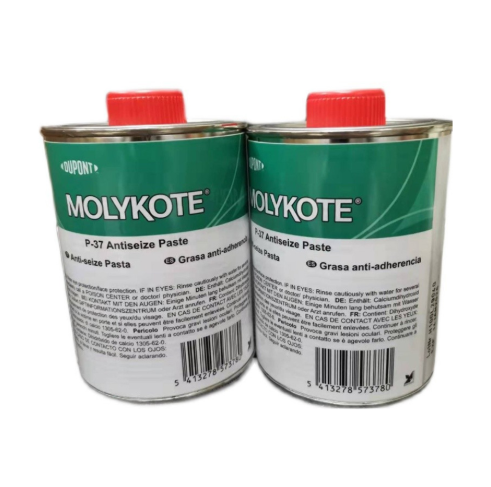
Molykote® P-37 is a high-purity anti-seize paste formulated with graphite and zirconium dioxide in a mineral oil base. It contains no lead, nickel, sulfur, chlorine, or fluorine, which makes it useful for buyers who need cleaner anti-seize performance in demanding bolted joints.
Why Testing Should Use Real Assembly Conditions
Torque Behavior Can Change After Aging
A paste may feel smooth during initial assembly, but the real test is removal after heat, moisture, vibration, or service exposure. Buyers should test tightening torque, breakaway torque, thread condition, and surface residue after aging.
For aluminum-to-steel joints, the test should include the actual bolt material, aluminum grade, steel surface condition, washer type, and torque method used in production.
Salt And Humidity Testing Helps Reveal Risk
If the parts will be used outdoors, near the coast, or inside humid plants, a basic lab check is not enough. Buyers should simulate moisture exposure, temperature change, and service time before approving bulk purchase.
This is especially important for distributors serving equipment builders, marine maintenance, outdoor machinery, and industrial repair channels.
Where Molykote® P-37 Fits The Discussion
High-Temperature Bolted Joints
Molykote® P-37 is designed for threaded connections exposed to severe service conditions. Its service temperature range is listed from -30°C to 1400°C, which makes it relevant for buyers working with high-temperature bolts, flanges, turbines, reactors, and other demanding maintenance points.
For buyers comparing anti-seize options, this type of product is more suitable when the joint faces heat, pressure, and future disassembly needs.
Corrosion And Seizure Control
The paste is used to help prevent galling, seizing, and corrosion during installation and long-term service. For aluminum-to-steel assemblies, buyers should still confirm compatibility through their own joint testing, especially when aluminum corrosion is the main concern.
In other words, do not select anti-seize only by temperature rating. Confirm the full joint condition first.
Practical Buying Checks For Industrial Teams
Before Assembly
Confirm material pairing, bolt size, thread type, torque value, surface finish, washer type, and expected service temperature. Apply the paste evenly and avoid over-application that may contaminate surrounding parts.
Before Repeat Orders
Keep a record of the paste grade, batch number, joint type, test result, removal condition, and customer feedback. This helps maintenance teams and distributors avoid changing products without understanding the performance difference.
Before Customer Delivery
For export or industrial supply, packing size, label clarity, storage condition, and technical documentation should be prepared in advance. This helps buyers inspect the material faster and avoid confusion during warehouse handling.
Before Your Next Aluminum-To-Steel Assembly Project
Galvanic corrosion and thread seizure are easier to prevent during assembly than to repair after failure. The better sourcing approach is to review the metal pair, moisture exposure, temperature range, load condition, maintenance interval, and contamination requirements before selecting the paste.
If your business needs anti-seize paste for aluminum-to-steel joints, high-temperature bolted connections, industrial maintenance, power generation, chemical processing, or equipment assembly, come to us to review the application properly. Send the metal materials, bolt size, working temperature, moisture exposure, torque requirement, and maintenance goal. Our team can help match an anti-seize option that supports smoother assembly, easier disassembly, and lower risk of corrosion-related joint failure.