




How To Select Dry Film Lubricant for Metal-To-Metal Sliding Parts?
Metal-to-metal sliding parts often face friction, wear, noise, surface scoring, and seizure risk, especially when parts work under load or move at slow to medium speeds. For automotive components, compressor parts, plain bearings, bushings, swash plates, and industrial machinery parts, ordinary oil or grease may not always stay stable on the contact surface. This is why many manufacturers choose a dry film lubricant when they need a thin, durable, and cleaner friction-control layer.
For buyers looking for a Solid Film Lubricant, Molykote D-6818 is a strong option for demanding metal-to-metal contact areas. It is a heat-cured anti-friction coating designed to form a long-lasting dry lubricating film after curing. Our product is suitable for spray application and works well in oil-rich, fuel-exposed, and high-load environments where stable wear protection is important.
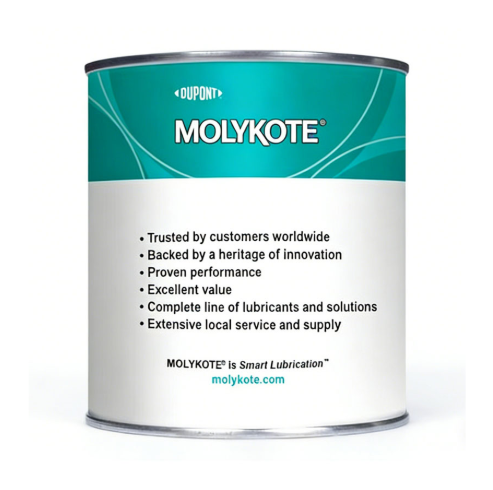
Table of Contents
Understand The Real Sliding Condition
Before choosing a dry film lubricant, buyers should first review how the part actually works. A coating that performs well on one component may not be suitable for another if the load, movement speed, temperature, and chemical exposure are different.
For metal-to-metal sliding parts, these questions are important:
Does the part move continuously or only during start-up?
Is the contact area exposed to fuel, oil, grease, or solvents?
Does the surface work under high load or boundary lubrication?
Is the part used in an engine, compressor, bearing system, or industrial machine?
Does the coating need to reduce wear during dry start or poor oil-film conditions?
Molykote D-6818 is especially useful when metal surfaces need wear resistance and load-carrying support in harsh operating conditions. It helps reduce direct metal contact and provides a stable dry film after proper surface preparation and heat curing.
Check Load, Wear, And Chemical Resistance
Many B2B buyers focus only on friction reduction, but durability is usually the bigger purchasing concern. In real production, coating failure can lead to returned parts, noisy operation, shorter service life, and higher maintenance cost. For parts exposed to oil, fuel, or cleaning agents, chemical resistance also matters.
Molykote D-6818 is designed with solid lubricants such as graphite and molybdenum disulfide, supported by an organic binder system. After curing, the coating provides strong wear resistance and high load-carrying capacity. Its resistance to fuels, motor oils, greases, and industrial solvents makes it suitable for automotive and industrial parts where ordinary lubrication may be affected by chemical exposure.
Review The Main Specifications
| Item | Specification |
|---|---|
| Product Name | Molykote D-6818 Anti-Friction Coating |
| Product Type | Heat-Cured Dry Film Lubricant |
| Appearance | Black |
| Main Lubricating Components | Graphite, MoS₂ |
| Service Temperature Range | -60°C To 240°C |
| Cure Temperature | Around 220°C |
| Application Method | Spray Coating |
| Wear Resistance | Excellent |
| Package | 1.1kg |
| Suitable Areas | Metal-To-Metal Sliding Parts, Bearings, Pistons, Compressor Components, Industrial Parts |
Match The Coating To The Application
A dry film lubricant should be selected based on the working part, not only the product name. For example, compressor pistons may need smooth sliding under pressure and oil exposure. Plain bearings may need long-term wear protection under repeated motion. Swash plates may need friction control during rotational sliding. Industrial machinery parts may need a coating that can handle load, heat, and chemical exposure at the same time.
Molykote D-6818 fits these applications because it is built for highly stressed metal contacts. After the coating is applied and cured, it forms a thin film that helps protect the surface during sliding movement. This can be useful when buyers need to improve component reliability without using a thick wet lubricant layer.
Consider Production Process Before Bulk Orders
For manufacturers, coating performance depends not only on the material itself. Surface preparation, cleaning, spray control, film thickness, curing temperature, and curing time all affect the final result. If the process is not controlled well, the coating may not bond properly or may fail earlier than expected.
Before placing a bulk order, buyers should confirm:
Substrate material and surface condition
Cleaning and degreasing process
Spray equipment and coating method
Required film thickness
Curing temperature and curing time
Working temperature and chemical exposure
Quantity plan and repeat order needs
As a supplier, we can support industrial buyers, OEM factories, ODM projects, and maintenance solution providers with product selection guidance, specification review, and bulk order communication. This helps buyers reduce trial-and-error costs before scaling up production.
Avoid Choosing Only By Price
For metal-to-metal sliding parts, a low-cost coating may become expensive if it causes unstable friction, poor adhesion, or short service life. Buyers should compare coating performance, technical fit, supply stability, documentation support, and supplier response speed together.
A reliable dry film lubricant should help solve real production problems, not only meet a basic product description. For high-volume buyers, stable quality and clear technical communication are especially important because one wrong material choice can affect many components.
Conclusion
Selecting the right dry film lubricant for metal-to-metal sliding parts means checking load, wear, chemical exposure, process conditions, and long-term reliability. Molykote D-6818 is suitable for buyers who need a heat-cured anti-friction coating with strong wear resistance, fuel resistance, and high load-carrying performance.
If you are sourcing a Solid Film Lubricant for automotive parts, compressor components, bearings, bushings, swash plates, or industrial machinery, share your application details, working temperature, contact material, process method, and target quantity with us. We can help review the suitable solution and provide practical guidance before your next order.