




High-End Polysilazane Evolves from Niche Specialty Material to Mainstream Industrial Solution
Polysilazane as a Exclusive High-End Specialty Material
Since its industrialisation, polysilazane has maintained a reputation as a sophisticated and high-value advanced material. Featuring a stable silicon-nitrogen molecular backbone, it can transform into dense silicon-carbon-nitrogen ceramic structure under thermal treatment, delivering outstanding thermal stability, chemical resistance, mechanical hardness and insulating performance. These unique characteristics made it irreplaceable for scenarios demanding extreme working conditions and long-term reliability.
In the early stages of industrial development, the global supply chain of high-purity polysilazane was concentrated among a small number of overseas manufacturers. The entire production process involves precise chemical synthesis, strict moisture and oxygen isolation, multi-stage purification and quality control, which pose extremely high barriers to technical expertise, production equipment and workshop environment. Limited production capacity and complex manufacturing processes meant polysilazane was primarily deployed in mission-critical fields with ultra-high performance requirements.
Traditional core application areas included aerospace engineering, advanced semiconductor manufacturing and high-end defence equipment. In aerospace, it served as thermal protection Coatings for hypersonic components and anti-oxidation layers for engine parts operating under extreme temperatures. In the semiconductor industry, it acted as passivation films, dielectric layers and barrier coatings for high-end chips and power electronic devices, protecting delicate circuits from moisture, corrosion and mechanical damage. In these sectors, the superior performance of polysilazane was unmatched by ordinary resins, ceramics or composite materials. For a long time, the material was defined as a “specialised high-end product”, with its usage restricted to a narrow scope of high-tech segments, and rarely adopted by general industrial sectors.
Table of Contents
Core Trends Driving Industry Transformation
In recent years, multiple interrelated trends have reshaped the development landscape of the polysilazane sector, pushing this high-end material toward broader industrial application.
1. Breakthroughs in Independent R&D and Industrialised Production
The most pivotal change comes from comprehensive progress in domestic research and manufacturing technology. After years of sustained R&D investment and technical iteration, manufacturers have broken through long-standing technical bottlenecks in raw material matching, polymerisation reaction control and high-precision purification. Mature and stable large-scale production lines have been established, fundamentally changing the previous situation of insufficient global supply capacity.
Standardised production workflows and strict full-process quality management systems ensure stable batch consistency of finished products. Modern production technologies not only replicate the core performance of traditional high-end polysilazane, but also optimise material formulas to adapt to different construction environments and working conditions. With production technology fully maturing, the industry has moved from small-batch customised production to large-scale continuous manufacturing, laying a solid foundation for popularising polysilazane to more industries.
2. Continuous Expansion of Application Boundaries
As material performance and application technologies become better understood by downstream industries, the application scope of polysilazane has expanded rapidly beyond traditional high-end fields. More industrial sectors have begun to recognise its unique advantages and gradually replace traditional materials with high-performance polysilazane solutions.
The new energy industry has become a major growth driver. Polysilazane coatings are widely used for thermal insulation, flame retardancy and anti-corrosion protection of electric vehicle battery packs and energy storage equipment. Its excellent thermal resistance can effectively inhibit the spread of thermal runaway, while its stable chemical properties protect internal components from erosion in complex service environments.
The marine and heavy machinery industries are also major adopters. Polysilazane forms a dense protective film on metal surfaces, delivering long-lasting resistance against seawater corrosion, salt fog and industrial chemical erosion, greatly extending the service life of offshore facilities, engineering machinery and pipeline systems.
In addition, general industrial equipment, architectural functional coatings, precision electronic appliances and other fields have started to introduce polysilazane products. Different application scenarios put forward diversified demands for curing methods, viscosity, film-forming performance and construction adaptability, which in turn drives manufacturers to develop graded and customised product lines.
3. Diversified Product Grades for Differentiated Market Demands
To adapt to the evolving market landscape, polysilazane manufacturers have shifted from single high-specification products to diversified product portfolios, covering multiple grades to match different usage requirements. Products are categorised by curing mode, ceramic yield, viscosity and purity level, forming a complete product system that covers both ultra-high-end precision applications and general industrial large-scale usage.
Each product grade retains the core superior properties of polysilazane, while being optimised for targeted scenarios. This graded layout enables downstream clients to select matched products according to their actual working conditions, construction processes and performance standards, further lowering the threshold for the popularisation of high-end polysilazane materials.
YCR Series: Leading the Mainstream Development of Polysilazane
As a core product line of Innosiltech, the YCR series polysilazane is fully aligned with the overall development trend of the industry. Built on independent core formulas and mature production technology, the series maintains the full range of premium performance inherent to high-end polysilazane, while featuring strong adaptability for large-scale industrial promotion.
The YCR product family covers multiple tailored grades. Models designed for room-temperature curing feature convenient on-site construction, no need for high-temperature heating equipment, and are suitable for large-area coating projects and on-site operation scenarios. High-temperature curing grades deliver higher ceramic conversion rate after heat treatment, with more outstanding high-temperature resistance and structural stability, catering to ultra-extreme working conditions. All products feature high purity, excellent adhesion to metal, glass, ceramic and most engineering plastics, as well as remarkable hardness, abrasion resistance and chemical inertness.
After repeated third-party testing and long-term field verification, YCR series polysilazane has achieved fully consistent performance with internationally recognised top-tier products. Up to now, the products have been delivered in bulk to clients across new energy, automotive, marine, aerospace and general industrial sectors, gaining wide market recognition.
YCR Series: Leading the Mainstream Development of Polysilazane
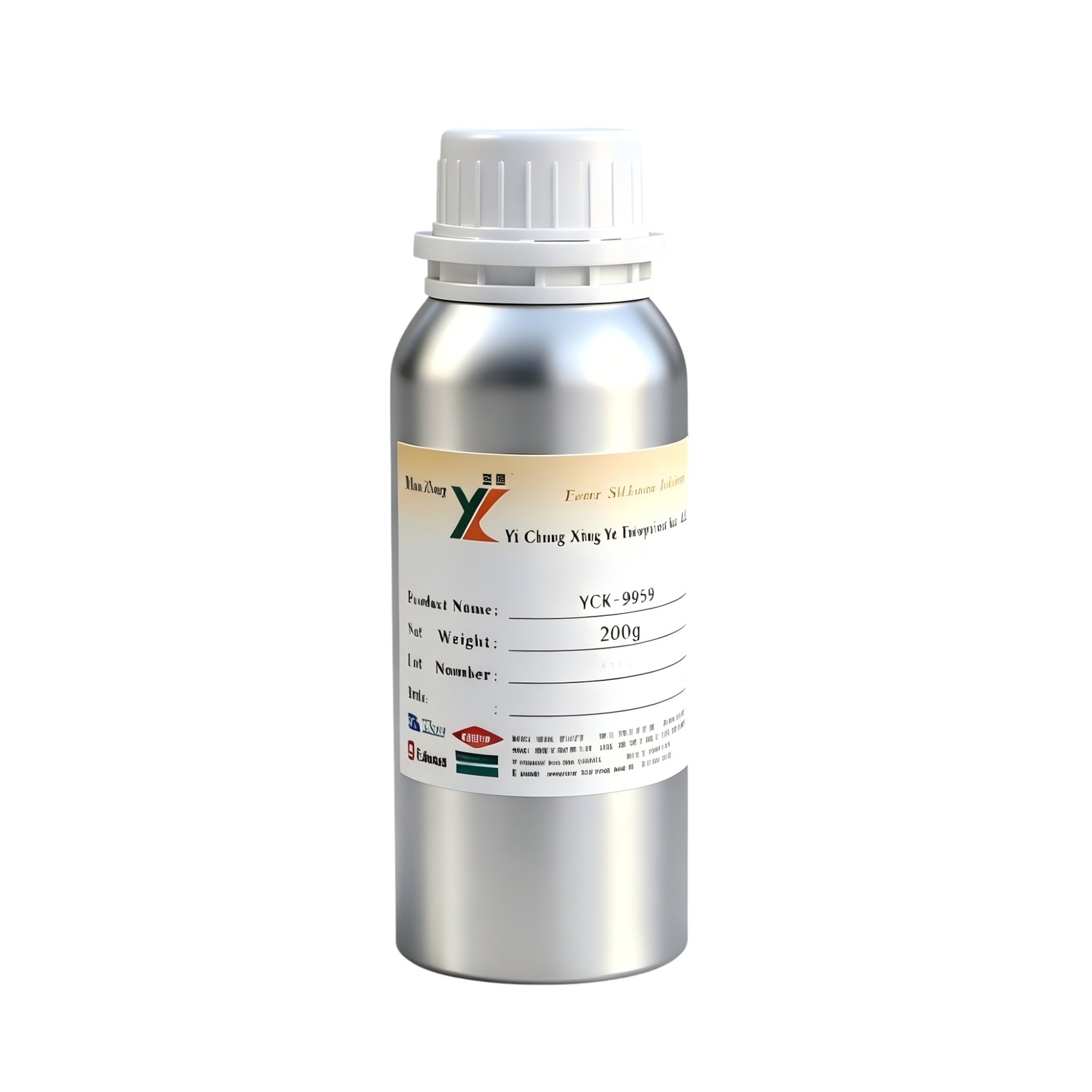
As a core product line of Innosiltech, the YCR series polysilazane is fully aligned with the overall development trend of the industry. Built on independent core formulas and mature production technology, the series maintains the full range of premium performance inherent to high-end polysilazane, while featuring strong adaptability for large-scale industrial promotion.
The YCR product family covers multiple tailored grades. Models designed for room-temperature curing feature convenient on-site construction, no need for high-temperature heating equipment, and are suitable for large-area coating projects and on-site operation scenarios. High-temperature curing grades deliver higher ceramic conversion rate after heat treatment, with more outstanding high-temperature resistance and structural stability, catering to ultra-extreme working conditions. All products feature high purity, excellent adhesion to metal, glass, ceramic and most engineering plastics, as well as remarkable hardness, abrasion resistance and chemical inertness.
Among them, YCR‑9959 Room Temperature Curing Silazane is the most cost‑effective and easy‑to‑promote star model. With solid content >90%, density 0.88±0.1 g/mL, dielectric strength ≥10⁵ V/mm and resistivity ≥10¹² Ω·m, it fully meets the strict requirements of industrial insulation, corrosion protection and outdoor durability. This product supports immediate bulk orders and provides customised formula adjustment for different substrates. Welcome to consult and purchase to upgrade your industrial protective system.
After repeated third-party testing and long-term field verification, YCR series polysilazane has achieved fully consistent performance with internationally recognised top-tier products. Up to now, the products have been delivered in bulk to clients across new energy, automotive, marine, aerospace and general industrial sectors, gaining wide market recognition.
Outlook
The transformation of polysilazane from a niche high-end specialty material to a mainstream industrial functional material is an irreversible industry trend. With further advancement of manufacturing technology and continuous in-depth exploration of application scenarios, the market coverage of polysilazane will keep expanding.
Moving forward, Innosiltech will continue to focus on material innovation and application technology development. The company will further optimise product performance, enrich product specifications, and provide comprehensive material solutions for more industries. By leveraging mature production capacity and reliable product quality, Innosiltech will keep promoting the popularisation of high-performance polysilazane, and support the upgrading of protective coatings and functional materials across the global industrial chain.