



Why Do Industrial Buyers Need Silicone Oil Lubricant With Stable Viscosity?
In industrial lubrication, viscosity is not just a number on a specification sheet. It affects how the oil spreads, how much material operators apply, how clean the treated surface remains, and whether the same assembly process can be repeated from batch to batch.
For factories using Oil Lubricant Silicone in rubber parts, plastic components, light-load bearings, sliding mechanisms, or mold release work, unstable viscosity can create daily production trouble. One batch may spread too quickly and leave excess residue. Another may feel too thick and slow down application. Over time, these small differences can affect cleanliness, assembly speed, and customer confidence.
Table of Contents
- Viscosity Problems Often Show Up On The Assembly Line
- Why 50 cSt Silicone Oil Fits Many General Industrial Uses
- Material Compatibility Reduces Production Risk
- Temperature And Volatility Matter In Long-Term Use
- Where Silicone Oil Lubricant Can Be Useful
- What Buyers Should Check Before Bulk Use
- Before Viscosity Becomes A Production Variable
- Before Viscosity Becomes A Production Variable
Viscosity Problems Often Show Up On The Assembly Line
Operators Notice The Difference First
When a lubricant feels different from the previous batch, operators usually notice before anyone checks the technical file. It may drip faster, spread less evenly, or require more wiping after application. In high-volume assembly, these small changes can slow down the rhythm of the line.
For B2B buyers, that matters because lubrication is often part of a repeated process. Rubber seals, plastic sliding parts, light mechanical components, and release-treated surfaces all need predictable handling. If the oil behaves differently every time, the factory has to adjust application habits again and again.
Clean Production Depends On Controlled Application
A lubricant that spreads too much can stain nearby parts, packaging trays, gloves, or finished surfaces. A lubricant that spreads too poorly may not reduce friction evenly. Both problems create extra checking work.
Stable viscosity helps workers apply a thinner, more predictable film. This supports cleaner production, especially when parts need to move through inspection, packing, or final assembly without visible oil marks.
Why 50 cSt Silicone Oil Fits Many General Industrial Uses
Balanced Flow For Routine Lubrication
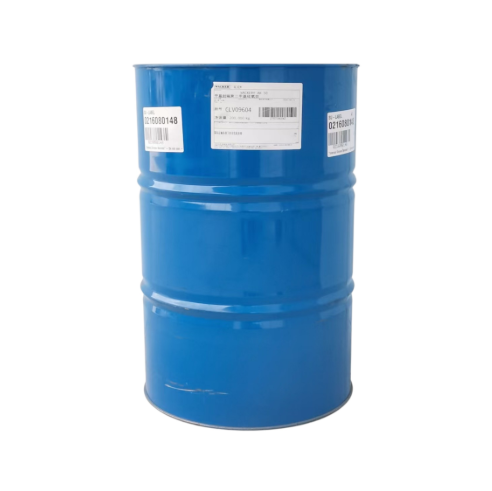
Wacker AK-50 is a 50 cSt Dimethyl Silicone Oil with a clear liquid appearance. This medium viscosity makes it practical for many general industrial lubrication and surface treatment tasks where buyers need a balance between spreading and staying on the treated surface.
It is not too thin for basic film formation, and not too heavy for routine application. That balance is useful for factories that need repeatable lubrication in daily production instead of constant process adjustment.
Low Surface Tension Helps Wetting And Spreading
One reason silicone oil is used in industrial applications is its ability to spread well over different surfaces. Low surface tension helps the material form a more even film on suitable substrates.
For buyers comparing Oil Lubricant Silicone options, this spreading behavior is important. Uneven application may lead to friction differences, poor release performance, or visible residue on finished parts.
Material Compatibility Reduces Production Risk
Rubber, Plastic, And Metal Parts Need Different Care
Industrial buyers often use one lubricant across several material types. A factory may handle rubber seals, plastic guides, metal contact points, and molded parts in the same production environment. If the lubricant reacts badly with one material, the whole process becomes harder to manage.
Wacker AK-50 is described with good chemical inertness and compatibility with many plastics, rubber, and metal materials. For factories, this helps reduce the risk of corrosion, swelling, or unwanted material reaction during normal use.
Less Residue Means Fewer Downstream Problems
In some assembly lines, parts do not stop after lubrication. They may still need packaging, inspection, fitting, or further surface handling. If the lubricant migrates too much or leaves heavy residue, it can create problems later.
A stable silicone oil film can help reduce friction while keeping the part easier to handle. This is valuable for components that need both lubrication and clean presentation.
Temperature And Volatility Matter In Long-Term Use
Heat Can Change Poor Lubricants Quickly
Industrial environments may involve moderate heat, machine movement, or repeated cycles. If the lubricant evaporates too quickly or loses performance under temperature change, the part may need more frequent maintenance.
Wacker AK-50 is positioned with a working temperature range from -50℃ to 190℃ and low volatility. For buyers, this means the oil can support many normal to medium-temperature working conditions without quick evaporation loss.
Maintenance Frequency Affects Real Cost
A cheaper lubricant may look attractive at purchase, but if workers need to apply it more often, clean excess residue, or deal with unstable performance, the long-term cost rises.
Stable viscosity and low volatility help reduce unnecessary maintenance work. This is especially useful for distributors and factories serving customers who care about repeatable use rather than one-time trial performance.
Where Silicone Oil Lubricant Can Be Useful
Mold Release And Surface Treatment
In plastic, rubber, and resin Molding, release performance can affect cycle speed and surface quality. Silicone oil can help reduce sticking when matched correctly with the mold and material.
Light Mechanical Lubrication
For light-load bearings, gears, and sliding precision components, silicone oil can help reduce friction where the application does not require heavy-duty grease.
Textile And Electrical Applications
The material can also be used in textile auxiliary work to improve smoothness and reduce friction. In electronic-related use, silicone oil may support damp-proof, insulating, and dust-protection purposes when applied properly.
What Buyers Should Check Before Bulk Use
The Key Is Not Only Viscosity Grade
Before ordering silicone oil for regular production, buyers should check the actual working process. A 50 cSt oil may be suitable for many general uses, but the final decision should depend on surface material, temperature, application method, cleanliness requirement, and maintenance cycle.
Useful questions include:
What material will contact the silicone oil?
Is the main goal lubrication, release, defoaming, or surface treatment?
Will the treated part be packed directly after application?
Does the line need a clean, low-residue finish?
What working temperature will the part face?
How often will the lubricant be reapplied?
Is viscosity stability important for dosing equipment or manual application?
Before Viscosity Becomes A Production Variable
A silicone oil lubricant with stable viscosity can help factories keep application cleaner, reduce friction variation, and make assembly work easier to repeat. For buyers using Oil Lubricant Silicone in rubber, plastic, metal, textile, or general industrial processes, the best starting point is not only the price per drum. It is whether the oil behaves the same way every time production begins.
For projects involving mold release, light mechanical lubrication, clean surface treatment, or material compatibility concerns, Wacker AK-50 can be reviewed around the actual production scene. Prepare the material type, working temperature, application method, cleanliness requirement, and monthly usage first. Once those details are clear, it becomes much easier to judge whether a 50 cSt silicone oil fits the process before larger purchasing decisions are made.
Before Viscosity Becomes A Production Variable
A silicone oil lubricant with stable viscosity can help factories keep application cleaner, reduce friction variation, and make assembly work easier to repeat. For buyers using Oil Lubricant Silicone in rubber, plastic, metal, textile, or general industrial processes, the best starting point is not only the price per drum. It is whether the oil behaves the same way every time production begins.
If your production process needs silicone oil for mold release, light mechanical lubrication, clean surface treatment, or material compatibility improvement, INNOSILTECH can help you handle this selection work. Send us the material type, working temperature, application method, cleanliness requirement, and monthly usage plan. We can help match Wacker AK-50 with your real production conditions, so your team can move from testing to larger purchasing with a clearer direction.