



The Hidden Savings of Dry Film Lubrication: Why Smart Procurement Teams Prefer It Over Traditional Greases
In busy industrial facilities, unexpected equipment downtime can cost thousands of dollars per hour. Procurement teams dealing with heavy machinery, automotive assembly lines, mining equipment, or metal processing plants know this pain too well. Traditional greases and oils often create more problems than they solve — they attract dust and dirt, bake onto surfaces in high-heat areas, drip away under load, and require frequent reapplication. The result is higher maintenance costs, more unplanned stops, and constant worry about premature wear on critical components.
Many forward-thinking procurement managers have discovered that Dry Film Lubrication offers a cleaner, longer-lasting alternative that directly tackles these operational headaches.
Table of Contents
The Real Cost of Traditional Grease in Demanding Environments
Grease might seem like a simple solution until dust-filled workshops or high-temperature zones come into play. In powder-heavy or outdoor applications, grease quickly turns into an abrasive paste that accelerates wear instead of preventing it. High temperatures cause it to melt, carbonize, or migrate away from contact points, leaving metal surfaces vulnerable to galling, fretting, and seizing.
These issues lead to frequent shutdowns for cleaning and relubrication. Maintenance crews spend more time on routine tasks while production schedules slip. For companies running 24/7 operations or tight delivery contracts, every extra hour of downtime or every rejected batch of parts adds up to significant lost revenue and strained customer relationships.
How Dry Film Lubrication Changes the Game
Dry Film Lubrication creates a bonded solid layer on metal surfaces that stays in place even under extreme pressure, vibration, and temperature swings. Unlike liquid lubricants, it does not attract contaminants or evaporate, delivering consistent low-friction performance where traditional greases fail.
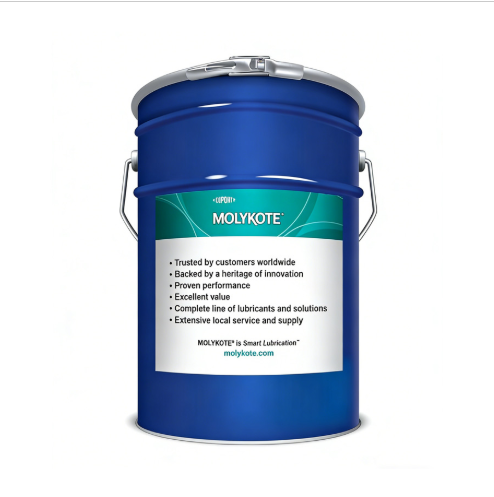
Our high-performance equivalent to Molykote D-7620 is a heat-cured anti-friction coating based on molybdenum disulfide and graphite. It forms a durable dry film that handles service temperatures from -70°C to +300°C and supports very high loads. This makes it especially effective for applications where oils and greases cannot remain in position.
Dry Film Lubrication vs Traditional Greases: A Practical Comparison
Procurement teams often run side-by-side tests and see clear differences in real production settings:
Dust and Contamination: Traditional greases act like magnets for airborne particles, while dry film Coatings stay clean and resist buildup.
Reapplication Frequency: Grease may need attention every few weeks or months; a properly applied dry film can last much longer, reducing labor and material consumption.
High-Temperature Performance: Greases soften, drip, or degrade; dry films maintain their structure and lubricating properties even in hot exhaust systems, engine components, or heated machinery.
Equipment Uptime: Fewer lubrication-related failures mean smoother operation and fewer emergency repairs on chains, slides, gaskets, valves, and sliding mechanisms.
These advantages translate into measurable savings in maintenance budgets and higher overall equipment effectiveness (OEE) scores that matter to plant managers and executives.
Where Smart Buyers Apply Dry Film Lubrication
In automotive manufacturing, this type of coating excels on cylinder head gaskets, exhaust manifold gaskets, springs, clips, and highly stressed sliding parts. In heavier industries, it protects components in mining conveyors, construction machinery, and metal forming equipment exposed to vibration, load, and harsh conditions. The bonded film reduces stick-slip issues and fretting corrosion, helping extend component life and maintain precision in critical assemblies.
Conclusion
Switching to Dry Film Lubrication helps procurement teams move from reactive maintenance to predictable, cost-controlled operations. By reducing dust-related wear, cutting re-lubrication needs, and minimizing unplanned downtime, it delivers hidden savings that improve both the bottom line and operational reliability.
If your team is tired of fighting the same lubrication problems with traditional greases, we can help. Tell us about your specific equipment challenges or operating conditions — our technical team is ready to offer straightforward guidance and recommend the best approach for your production environment.