




How Noise Damping Coatings Improve Performance in Automotive Parts?
Automotive parts often face friction, vibration, repeated movement, and contact noise during daily operation. For vehicle component manufacturers, coating suppliers, repair material distributors, and OEM/ODM buyers, reducing noise is not only about comfort. It also affects product quality, service life, and customer satisfaction.
Noise damping Coatings are used to reduce squeaks, rattles, and friction-related sound on contact surfaces. MOLYKOTE D-96 anti-friction coating is a practical option for painted surfaces and moving parts where low friction, noise reduction, and stable surface protection are required.
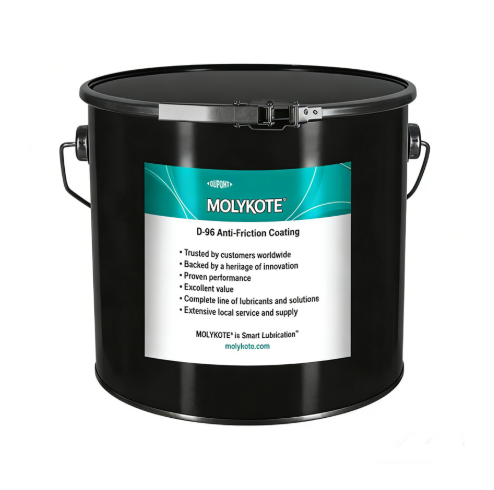
Table of Contents
Reduce Squeak And Rattle Problems
Many automotive noise issues come from small contact points between parts. Plastic, metal, rubber, and painted surfaces may rub during vibration or movement, creating unwanted sound.
A sound damping coating helps reduce direct friction between surfaces. This can lower squeaking and improve the perceived quality of the vehicle interior or mechanical assembly.
For automotive suppliers, this matters because noise complaints can lead to warranty pressure, rework, and higher after-sales cost.
Improve Surface Protection On Contact Areas
Automotive parts often operate under repeated sliding or contact. Without proper surface protection, parts may wear faster or create more friction over time.
Anti-friction coatings form a functional layer that helps reduce surface resistance. This can support smoother movement and better long-term performance in selected applications.
Common areas may include trim components, hinges, brackets, clips, painted contact surfaces, and other friction points where noise and wear need better control.
Support More Stable Component Performance
In automotive manufacturing, consistency is critical. A part that performs well in testing must also perform reliably in bulk production and long-term use.
Noise damping coatings can help improve consistency by reducing friction variation between contact surfaces. For buyers sourcing coating materials, stable performance across batches is important for production planning and quality control.
This is especially valuable for OEM projects, aftermarket parts suppliers, and industrial coating applications where product reliability affects brand reputation.
Reduce Maintenance And Rework Costs
Noise and friction problems often appear after assembly or after the product has been used for some time. Once this happens, solving the issue can be costly.
Using a suitable coating during production can help reduce later maintenance and rework. It supports smoother assembly, reduces surface noise, and helps extend the service life of treated parts.
For B2B buyers, this is not only a material choice. It is part of total cost control.
What Buyers Should Check Before Ordering
Before choosing a noise damping or anti-friction coating, buyers should consider the full application environment. The coating should match the surface material, operating temperature, friction condition, and durability requirement.
Key points include:
compatibility with painted surfaces
friction reduction performance
adhesion after curing
wear resistance under repeated contact
application method
drying or curing condition
batch consistency
SDS and technical documentation support
Testing on the actual part is always recommended before large-volume production.
Suitable For Automotive And industrial Applications
Although automotive parts are a major application area, anti-friction noise damping coatings can also be used in other industrial components where friction and movement create unwanted sound.
Potential applications include automotive assemblies, interior parts, mechanical components, coated metal surfaces, equipment parts, and sliding contact areas.
For distributors and OEM/ODM buyers, this gives the product wider market value beyond one single industry.
Conclusion
Noise damping coatings improve automotive part performance by reducing squeaks, lowering friction, protecting contact surfaces, and supporting more stable long-term operation. For manufacturers and industrial buyers, the right coating can help improve quality perception while reducing maintenance and rework pressure.
For coating selection, buyers should focus on surface compatibility, anti-friction performance, adhesion, durability, documentation, and supply consistency.
Share your application surface, working condition, quantity, and technical requirements with us. We can help review your needs and suggest suitable coating options for automotive parts and industrial friction-reduction applications.