




What Is The Use Of Silicone Fluid?
When buyers ask what is the use of Silicone Fluid, they are usually not asking for only one simple answer. In real sourcing, silicone fluid is used in many different ways depending on viscosity, purity, lubrication behavior, spreading ability, and compatibility with the final application. In medical, food-related, industrial, and device manufacturing fields, silicone fluid is often selected because it helps improve surface performance, reduce friction, support assembly, and protect sensitive parts without creating unnecessary reactivity.
For B-end buyers, this topic matters because silicone fluid is not a generic commodity in practical use. A fluid chosen for one application may not be suitable for another. Some projects need better spreadability. Some need more stable lubrication. Some need a material that works smoothly with rubber, metal, glass, or plastic parts. That is why product selection should always start with the real use scenario rather than only the product name.
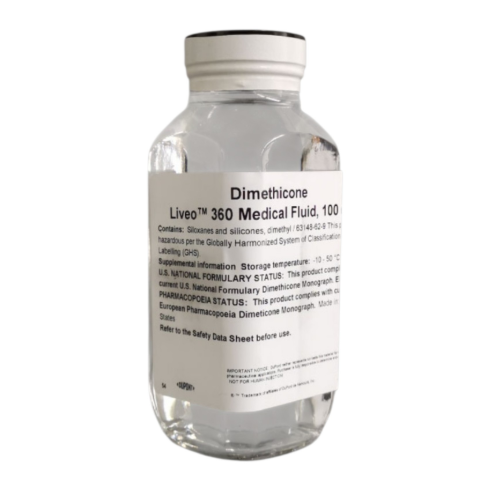
Table of Contents
- Why Silicone Fluid Is Used In So Many Industries
- How Silicone Fluid Works In Medical And Device Applications
- Why Viscosity Matters When Choosing Silicone Fluid
- Common Uses Of Silicone Fluid In Real Production
- Why Buyers Need More Than A Basic Product Name
- How Our Product Fits B-End Sourcing Needs
- The Role Of OEM And ODM In Silicone Fluid Supply
- Conclusion
Why Silicone Fluid Is Used In So Many Industries
Silicone fluid is valued because it offers a combination of smooth lubrication, chemical inertness, and stable behavior across a wide range of processing conditions. In many applications, it is used to reduce friction, improve handling, support coating processes, or create a cleaner and more controlled interface between parts.
This is especially important in industries where surface contact affects product performance. In medical device manufacturing, for example, a fluid may need to help moving parts slide more smoothly without damaging sensitive materials. In assembly work, it may be used to help seals and O-rings fit more easily and perform more reliably. In coating operations, it may need to spread evenly without creating instability later in the process.
That is why the question is not only what silicone fluid is, but what kind of silicone fluid is suitable for the job.
How Silicone Fluid Works In Medical And Device Applications
In medical and related technical applications, silicone fluid is often used as a lubricant, coating aid, or assembly support material. The goal is usually to create smoother contact between surfaces while maintaining consistency and minimizing interference with the surrounding components.
This is where product characteristics such as viscosity and spreading performance become especially important. A fluid that is too light may move too quickly or fail to stay where it is needed. A fluid that is too heavy may become harder to apply evenly. Buyers often need a balanced option that supports both control and practical application.
Our product connects naturally to this discussion because DuPont Liveo 360, 100cst is suitable for applications where lubrication and spreading both matter. It can be relevant in device manufacturing environments where controlled coating, friction reduction, and stable assembly support are important.
Why Viscosity Matters When Choosing Silicone Fluid
One of the biggest mistakes in sourcing silicone fluid is assuming all grades behave the same way. In reality, viscosity strongly affects how the fluid performs in coating, wiping, dipping, and assembly processes. It also affects how easily the fluid spreads across a surface and how much body it keeps during use.
For many buyers, this becomes a practical decision rather than a laboratory one. A manufacturing line may require a fluid that can be applied cleanly by wiping. Another process may need better surface coverage. Another may need a balance between flow and staying power. That is why buyers often compare grades based not only on specification sheets, but also on how they fit the actual production method.
Our product is useful in this context because DuPont Liveo 360, 100cst sits in a range that can support general-purpose lubrication and spreading needs in a more balanced way. That makes it easier for procurement teams to connect technical choice with day-to-day use.
Common Uses Of Silicone Fluid In Real Production
The use of silicone fluid often becomes easier to understand when viewed from the production floor. In some cases, it is applied to syringe barrels so components can move more smoothly during use. In some cases, it is used on guide wires or related device surfaces to reduce insertion friction. In other situations, it supports manual wiping, coating, or assembly work where a consistent lubricating layer is needed.
It can also be useful in assembly involving seals and O-rings, where friction control helps parts fit together more efficiently. For buyers, this is important because a fluid that performs well during assembly can also help reduce handling issues and improve manufacturing consistency.
This is one reason medical and precision-device buyers are often more careful when selecting silicone fluid than general industrial buyers. The product must not only lubricate. It must also fit the application process, the substrate, and the performance expectations of the final device.
Why Buyers Need More Than A Basic Product Name
In B-end purchasing, product names alone do not solve selection problems. A buyer may know they need silicone fluid, but still face several unanswered questions. Will the fluid spread evenly. Will it stay stable over time. Will it interact safely with plastic, glass, rubber, or metal. Will it work better for wiping, dipping, or assembly. Will supply stay consistent across repeat orders.
These are real pain points in procurement. A fluid that works well in a sample but becomes inconsistent in larger production can slow down the line and increase risk. A product that looks suitable on paper but does not match the application method can create waste, rework, or performance complaints later.
That is why experienced buyers usually prefer to work with a supplier who can discuss the actual use case instead of only sending a short quotation.
How Our Product Fits B-End Sourcing Needs
Our product is well aligned with buyers who need a medical-grade style silicone fluid for lubrication and related processing applications. It is relevant for customers who need controlled fluidity, good spreading behavior, and support for production tasks involving device surfaces or precision assembly.
For distributors, project buyers, OEM customers, and specialized traders, this matters because the value is not only in the material itself. It is also in whether the supplier can support repeat supply, technical communication, and practical application matching. In this category, buyers are rarely looking for one random bottle of fluid. They are usually building a supply chain for a specific product line, assembly process, or long-term account.
That is also why supplier positioning matters. Customers searching for a product like DuPont Liveo 360, 100cst are often evaluating not only the fluid, but also the responsiveness and reliability of the supply partner behind it.
The Role Of OEM And ODM In Silicone Fluid Supply
In silicone fluid business, OEM and ODM are not always about changing the chemistry itself. In many cases, they are about adapting supply to the customer’s business model. That may include packaging size, labeling, documentation support, sample coordination, export handling, or matching the product to a specific application program.
For some buyers, branded supply is important. For others, stable bulk supply and technical response are more important than branding. Some are distributors serving medical or industrial customers. Some are manufacturers integrating silicone fluid into a larger assembly workflow. In either case, a supplier who understands these business needs adds more value than one who only offers a product list.
This is especially true when buyers are developing long-term procurement plans. They need consistency, communication, and enough flexibility to support repeat orders, qualification work, and market-specific requirements.
Conclusion
So, what is the use of silicone fluid? In practical terms, silicone fluid is used to improve lubrication, support coating and wiping, reduce friction, and help precision components work more smoothly in manufacturing and assembly environments. Its real value depends on choosing the right viscosity, the right application method, and the right supply partner.
For buyers comparing options like DuPont Liveo 360, 100cst, the better question is not only what silicone fluid does, but which silicone fluid best fits the production task in front of them. If you are reviewing a medical device project, looking for a stable supply source, or need guidance on selecting the right grade for lubrication or assembly use, feel free to contact us. Share your application, packaging need, or purchasing plan, and we can help you move toward a more suitable and reliable solution.
Previous:
Next: Is Silicone A Rubber?