




Is Silicone A Rubber?
Many buyers searching for silicone rubber manufacturers are trying to understand one key question before making a sourcing decision: is silicone actually a type of rubber, and can it replace traditional rubber materials in industrial applications? The short answer is yes, silicone is a rubber, but it behaves very differently from standard organic rubber materials. That difference is exactly why it is widely used in sealing, Molding, and protective applications across Electronics, automotive, and industrial sectors.
In practical terms, silicone rubber is an elastomer. It can stretch, compress, and return to its original shape, which places it in the rubber category. However, its chemical structure gives it a performance range that many conventional rubbers cannot match. For B-end buyers, this is not just a material definition. It directly affects product reliability, production efficiency, and long-term supply decisions.
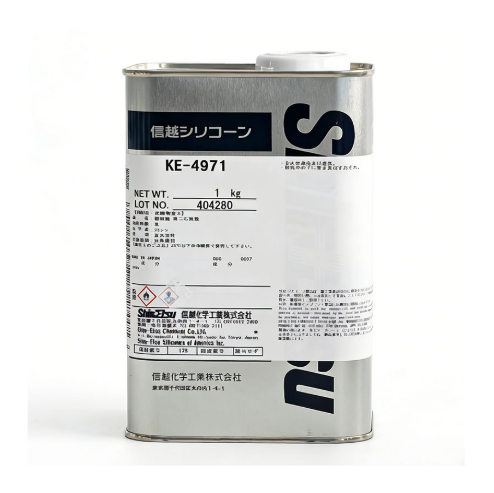
Table of Contents
- Why Silicone Is Classified As A Rubber
- What Makes Silicone Rubber Different From Standard Rubber
- Why This Question Matters In Industrial Sourcing
- How Our Silicone Rubber Fits Practical Applications
- Why Two-Part RTV Silicone Rubber Is Widely Used
- What Buyers Should Look At Beyond The Material Name
- The Role Of OEM And ODM In Silicone Rubber Supply
- Common Pain Points In Silicone Rubber Procurement
- Conclusion
Why Silicone Is Classified As A Rubber
Silicone is considered a rubber because, after curing, it forms a flexible and elastic material similar to other rubber types. This elasticity allows it to be used in sealing, gasketing, insulation, and protective applications where movement and flexibility are required.
However, unlike natural rubber or many synthetic rubbers, silicone is built on a different backbone. This gives it stronger resistance to temperature changes, environmental exposure, and aging. In industrial use, that means the material can maintain performance where other rubbers may harden, crack, or degrade over time.
For buyers, this difference is critical. The term rubber alone is not enough to define performance. Two materials may both be called rubber, but their behavior in real working conditions can be completely different.
What Makes Silicone Rubber Different From Standard Rubber
The key difference lies in stability and reliability under demanding conditions. Many traditional rubbers perform well in basic applications but may struggle in high heat, long-term exposure, or chemically active environments.
Silicone rubber is often selected because it maintains flexibility across a wider temperature range and shows better resistance to environmental stress. It is commonly used in applications where consistency matters more than cost alone.
This is why silicone rubber appears frequently in electronics protection, industrial sealing, automotive components, and precision molding. Buyers are not only choosing elasticity. They are choosing performance that remains stable over time.
Why This Question Matters In Industrial Sourcing
For B-end buyers, asking is silicone a rubber is usually the first step in a deeper evaluation. They are comparing materials for sealing systems, potting compounds, molded parts, or protective Coatings. The real goal is to find a material that fits production conditions and long-term use.
In industries such as electronics and automotive manufacturing, material failure can lead to expensive rework or product issues. That is why procurement teams focus on more than basic material categories. They look at curing behavior, handling performance, bonding strength, and durability.
This is also where experienced silicone rubber manufacturers become important. Buyers often need technical clarification, not just product availability. They want to understand how the material behaves in real applications, not just how it is described.
How Our Silicone Rubber Fits Practical Applications
Our silicone rubber is developed for industrial use where sealing, molding, and protective functions are required. It is a two-part RTV silicone rubber system designed to cure into a flexible and durable elastomer.
This type of material is widely used in potting, sealing, and molding processes. In electronics, it helps protect sensitive components. In automotive and industrial equipment, it supports reliable sealing and long-term stability under working conditions.
For buyers, this means the material is not only classified as rubber, but also ready for real production use. It combines flexibility with mechanical strength, chemical resistance, and thermal stability, which are often required in demanding environments.
Why Two-Part RTV Silicone Rubber Is Widely Used
Two-part RTV silicone rubber is widely used because it allows manufacturers to create flexible components without relying on complex high-temperature molding systems in every case. It can be mixed and applied directly, then cured into a stable rubber material.
This makes it suitable for a wide range of industrial applications. It supports precision work in electronics, protective encapsulation, and sealing where consistent performance is required.
For OEM and ODM projects, this flexibility is especially useful. Manufacturers can adapt the material to different product structures, production lines, and design requirements without needing a completely new system for each application.
What Buyers Should Look At Beyond The Material Name
Once buyers understand that silicone is a rubber, the next step is to evaluate whether it fits their application. Material selection should be based on actual use conditions rather than category labels.
Important considerations include curing type, flexibility after curing, resistance to temperature and chemicals, and compatibility with the production process. Buyers should also consider whether the material supports stable repeat orders and consistent batch performance.
In many cases, the biggest cost is not the material itself, but the risk of failure or inconsistency. That is why working with reliable silicone rubber manufacturers helps reduce uncertainty and improve sourcing efficiency.
The Role Of OEM And ODM In Silicone Rubber Supply
In industrial supply, materials are rarely used in isolation. Buyers often need support that aligns with their product design, packaging requirements, and production workflow.
OEM and ODM cooperation allows buyers to adapt material supply to their business model. This may include customized packaging, technical guidance, or application-specific adjustments.
For distributors, project buyers, and private label programs, this support is essential. It helps ensure that the material works not only in testing, but also in long-term production and supply planning.
Common Pain Points In Silicone Rubber Procurement
One common issue is misunderstanding material performance. Buyers may assume all rubber behaves similarly, which can lead to incorrect material selection. Another issue is inconsistency between samples and bulk orders.
There are also cases where suppliers provide limited technical explanation, making it difficult for buyers to match the material with their application. This can result in delays, rework, or product failure.
These problems can often be avoided by working with a supplier who understands both material properties and industrial use scenarios.
Conclusion
So, is silicone a rubber? Yes, silicone rubber is a true elastomer, but it offers a different level of performance compared to many standard rubber materials. It combines flexibility with stability, making it suitable for demanding industrial environments.
For buyers evaluating materials for sealing, molding, or protective use, the focus should be on application fit rather than simple classification. If you are comparing silicone rubber manufacturers for your project, we can help you evaluate suitable materials and provide consistent supply support. Share your application requirements or production needs, and we will help you find a more reliable solution for your next order.