




What Is Molykote D-7405 Used for in Automotive Components?
In automotive manufacturing, not every moving part is suitable for grease or oil. Some components operate in tight spaces, some need clean surfaces, and others must keep stable friction under changing temperatures and repeated use. That is where Molykote D-7405 is used. It is a heat-cured solid film lubricant that forms a dry coating on the surface, designed for metal-to-metal and metal-to-plastic contact areas.
Our product is a high load solid film lubricant designed for automotive components. After curing, it creates a stable dry layer that works from -70°C to 200°C, helping reduce stick-slip, control wear, and support corrosion resistance. Unlike traditional lubricants, it does not remain wet, which makes it more suitable for parts where cleanliness and long-term stability matter.
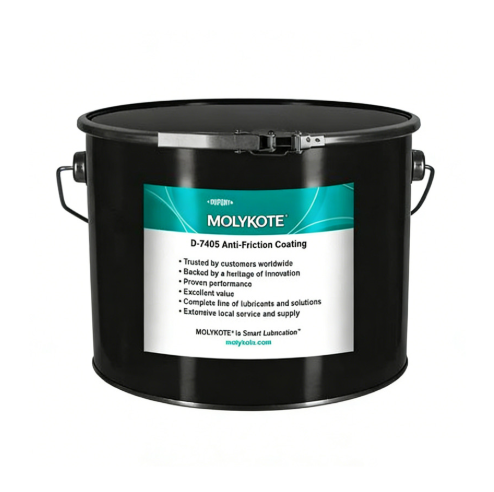
Table of Contents
- Why Automotive Components Need Dry Film Lubrication
- Typical Applications In Automotive Parts
- Why It Works Well In Door Locks And Seat Systems
- Performance Under Load And Temperature
- Why It Is Used On Fasteners And Brake Components
- How It Differs From Traditional Lubricants
- Why Application Control Matters
- What This Means For Automotive Buyers
- Conclusion
Why Automotive Components Need Dry Film Lubrication
In many automotive systems, the main challenge is not just friction reduction. It is how to maintain performance without introducing new problems. Grease can move away from the contact area, attract dust, or change behavior under temperature variation. Oil can spread beyond the target zone and affect nearby components.
Our product solves this by forming a dry coating after curing. This coating stays in place, does not drip, and reduces the chance of contamination. It also provides electrical insulation and helps prevent contact corrosion between different materials. For automotive buyers, this is important because many failures start at small contact surfaces rather than large structural parts.
Typical Applications In Automotive Parts
The most direct answer to What Is Molykote D-7405 Used For In Automotive Components? is that it is applied to parts where a stable dry lubricating layer improves movement and reduces wear under load.
Common uses include door lock systems, self-tapping screws, brake clips, and seat adjustment mechanisms. These are parts where movement is repeated, space is limited, and traditional lubrication may not perform well.
In door locks, it helps ensure smoother motion between internal components without leaving oily residue. In screws, it improves torque control and reduces the risk of seizure during installation. In brake clips, it supports consistent contact behavior under pressure. In seat mechanisms, it helps maintain smooth adjustment over time without attracting dust.
Why It Works Well In Door Locks And Seat Systems
Door locks and seat adjusters are good examples because they combine small movement, repeated use, and exposure to different environments. These systems often operate slowly, which increases the chance of stick-slip.
Our product is designed to reduce this effect by creating a consistent friction layer. In door locks, this leads to smoother operation and more controlled movement. In seat systems, it helps maintain stable adjustment force over time.
For manufacturers, this improves the overall user experience. A smoother mechanism is not just a technical benefit. It is something end users can feel directly during daily use.
Performance Under Load And Temperature
Automotive components often work under pressure and temperature variation. That is why load capacity and thermal stability are key factors.
Our product has a Falex load capacity of 11,100 N, which supports high contact pressure in small areas such as fastener threads or clip interfaces. It also operates across a wide temperature range from -70°C to 200°C, making it suitable for both cold start conditions and high-temperature environments.
This combination allows the coating to stay effective even when conditions change, which is critical in real automotive use.
Why It Is Used On Fasteners And Brake Components
Fasteners and brake-related parts require controlled friction and reliable performance under pressure. In these areas, too much lubrication can cause instability, while too little can lead to wear or seizure.
Our product provides a balanced solution. On fasteners, it helps maintain stable torque during installation. On brake clips, it creates a dry contact layer that is less likely to attract dust compared to grease.
This is especially useful in environments where contamination is unavoidable. A dry film helps keep the contact area cleaner over time.
How It Differs From Traditional Lubricants
The main difference between this type of coating and traditional grease is how it behaves after application. Grease remains soft and can move, while a solid film lubricant cures into place.
Our product requires heat curing, for example 60 minutes at 120°C, to form its final coating. Once cured, it becomes a fixed layer that stays on the surface. This reduces the risk of migration and helps maintain consistent performance over time.
For automotive suppliers, this difference is important. A stable coating reduces maintenance concerns and makes the system easier to control in long-term use.
Why Application Control Matters
In production, consistency is just as important as performance. A lubricant that works well but is difficult to apply evenly can still create problems.
Our product has a controlled viscosity of around 4,000 mPa·s at 23°C, which supports uniform application on small and complex parts. This helps maintain consistent coating thickness and predictable results across large production batches.
For B-end buyers, this reduces variation between parts and helps maintain stable product quality.
What This Means For Automotive Buyers
For manufacturers and suppliers, choosing the right lubricant is not just about reducing friction. It is about finding a solution that fits the component design, production process, and long-term use conditions.
Our product is designed for situations where dry lubrication is more effective than grease. It helps solve common issues such as contamination, inconsistent friction, and wear under load.
Instead of focusing only on lubrication type, buyers should look at how the product performs in real conditions. When the application involves repeated motion, limited space, or exposure to dust and temperature change, a solid film coating often becomes a more practical choice.
Conclusion
So, what is Molykote D-7405 used for in automotive components? It is used on parts such as door locks, fasteners, brake clips, and seat mechanisms, where a dry lubricating film can improve movement, reduce wear, and maintain stable performance under load and temperature variation.
Our product provides a practical solution for automotive applications that require clean, durable, and controlled lubrication. It helps improve component performance while reducing common issues associated with traditional lubricants.
If you are evaluating lubrication options for automotive parts and want to understand whether this type of coating fits your application, feel free to contact us. We can help review your requirements and suggest a more suitable solution based on your production needs.