




What Is Silicone Fluid?
Silicone Fluid is a versatile class of organosilicon compounds composed of a silicon-oxygen backbone (Si–O–Si) with organic side chains such as methyl, phenyl, or hydrogen groups. Its unique molecular structure provides exceptional stability, lubricity, and surface activity unmatched by conventional organic oils. Silicone fluids are clear, odorless, thermally stable liquids that resist oxidation, moisture, and extreme temperatures, making them indispensable in industrial, chemical, cosmetic, and automotive applications.
Our product range includes Dimethyl Silicone Oil, Modified Silicone Oil, Silane Coupling Agent, Paint Additive, Silicone Cosmetic Fluid, Heat Transfer Fluid, Vacuum Pump Oil, Hydrogen Silicone Oil, and Car Care Silicone Fluid, among others. Together, they serve as performance enhancers across countless processes and formulations.
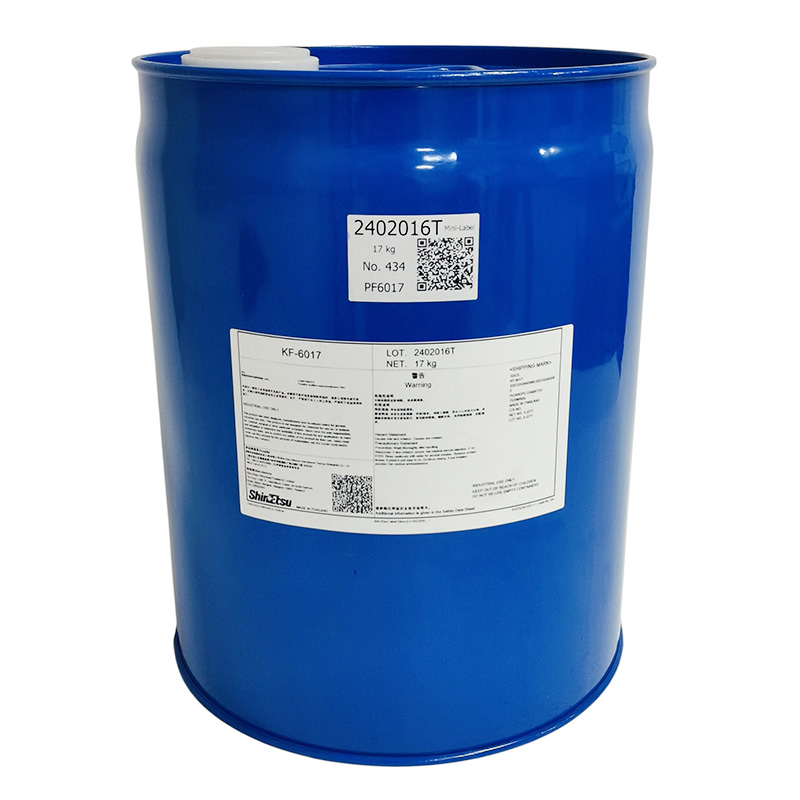
Table of Contents
Chemical Structure and Core Characteristics
Silicone fluid is built on a polysiloxane chain—a flexible structure that alternates silicon and oxygen atoms with organic side groups attached to the silicon. This configuration gives the fluid:
Wide temperature stability: maintains viscosity from -60°C to +250°C.
Low surface tension: spreads evenly on most materials, enabling lubrication and water repellency.
Chemical inertness: resists oxidation, hydrolysis, and biological degradation.
Excellent dielectric strength: ideal for electrical insulation.
Transparency and non-toxicity: essential for cosmetic and food-contact formulations.
Unlike mineral oils, silicone fluids do not carbonize easily, evaporate slowly, and remain stable over long service periods.
Main Product Categories
1. Dimethyl Silicone Oil
The most widely used silicone fluid. Composed primarily of polydimethylsiloxane (PDMS), it features outstanding thermal stability, electrical insulation, and hydrophobic properties.
Applications include:
Lubricants and Release Agents in plastics, rubber, and molds.
Electrical and electronic insulation fluids.
Surface treatment for glass, textiles, and leather.
Base fluid for cosmetics, Antifoams, and polish formulations.
2. Modified Silicone Oil
Chemical modification introduces active groups such as hydroxyl, amino, epoxy, or polyether. This enhances compatibility and adhesion with organic resins, pigments, and surfaces.
Applications include:
Textile softeners and finishing agents.
Coating and paint additives for improved leveling and gloss.
Dispersants and emulsifiers in personal care and industrial systems.
Antifoam or wetting components in processing fluids.
3. Silane Coupling Agent
These are hybrid molecules containing both reactive organic and inorganic groups, acting as adhesion promoters between different materials (e.g., metal and polymer).
Applications include:
Reinforcing fillers in rubber and composite materials.
Glass fiber treatment for plastics.
Crosslinking agents in sealants and adhesives.
Surface modifiers improving durability and chemical bonding.
4. Paint Additive Silicone Fluid
Special silicone fluids enhance coating quality by controlling surface properties.
Functions:
Improve leveling and anti-cratering.
Enhance gloss and mar resistance.
Reduce foam during mixing and application.
Provide water repellency and weathering stability.
These additives are compatible with both solvent-based and waterborne paint systems.
5. Silicone Cosmetic Fluid
Specially purified, non-irritant silicone oils deliver a silky feel and smooth spreadability in personal care products.
Applications include:
Skin lotions, sunscreens, and makeup formulations.
Hair conditioners and serums for softness and shine.
Antiperspirant carriers and fragrance diluents.
Non-greasy emollients and protective barriers.
Their inert nature prevents oxidation and microbial growth, ensuring long-term cosmetic stability.
6. Heat Transfer Fluid
Silicone-based heat transfer fluids maintain consistent viscosity and heat conductivity under continuous thermal cycling.
Advantages:
Operates efficiently in both hot and cold temperature extremes.
Non-corrosive to metals and stable under oxidative stress.
Long service life with minimal residue formation.
Applications:Industrial heaters, oil baths, and polymer reactors.
Electronic cooling systems and mold temperature control.
Solar panel and chemical process heating circuits.
7. Vacuum Pump Oil
A refined silicone formulation for rotary and diffusion vacuum pumps.
Features:
Extremely low vapor pressure ensures deep vacuum levels.
High oxidation and thermal stability for long service intervals.
Minimal backstreaming contamination in sensitive systems.
Applications:Semiconductor and coating industries.
Analytical and laboratory vacuum systems.
Industrial drying, impregnation, and packaging equipment.
8. Hydrogen Silicone Oil
This specialized silicone contains reactive Si–H bonds, enabling crosslinking and surface modification.
Applications:
Water-repellent treatment for textiles, paper, and glass.
Release coatings for baking, packaging, and mold processes.
Curing agents in silicone rubber manufacturing.
Intermediate for emulsions and reactive silicone products.
Hydrogen silicone oil should be handled carefully to avoid uncontrolled reactions with moisture or strong catalysts.
9. Car Care Silicone Fluid
Silicone fluids are core ingredients in automotive maintenance and detailing products.
Applications:
Car polishes, dashboard sprays, tire dressings, and wax formulations.
Water Repellents that prevent corrosion and dirt adhesion.
Lubricants for window channels, locks, and plastic parts.
Shine enhancers providing long-lasting gloss and UV protection.
They offer superior durability under sunlight, temperature variation, and outdoor exposure.
Industrial and Cross-Sector Applications
Silicone fluid’s multifunctionality allows it to serve across diverse sectors:
Chemical manufacturing: antifoams, surfactant modifiers, and process aids.
Textile & leather: fiber lubricants, water repellents, and finishing agents.
Electrical & electronics: dielectric coolant and conformal coating base.
Construction: waterproofing additives and anti-stick treatments.
Healthcare & pharma: carrier fluids in topical and transdermal systems.
Automotive & aerospace: damping fluids, lubricants, and surface protectants.
Household & personal care: fabric softeners, polishes, and skin-care bases.
This versatility results from its controlled viscosity range, chemical neutrality, and adaptability through modification.
Performance Advantages
Thermal Resistance: Maintains stability beyond 200°C, ideal for demanding industrial environments.
Low Volatility: Reduces evaporation losses even at elevated temperatures.
Dielectric Strength: Ensures insulation reliability for electronic applications.
Surface Activity: Enables spreading, wetting, and release effects unmatched by hydrocarbon oils.
Non-corrosive and Non-toxic: Safe for metals, plastics, rubber, and human contact.
Environmental Stability: Resistant to ozone, moisture, and microbial degradation.
Wide Viscosity Range: Available from 0.65 cSt (extremely light) to over 100,000 cSt (thick fluid) for precise control.
Handling and Safety Considerations
Although silicone fluid is chemically stable and non-hazardous, correct handling ensures performance and longevity.
Storage: Keep sealed in clean, dry containers away from acids, alkalis, or strong oxidizers.
Temperature: Avoid prolonged exposure above 300°C unless the product is specifically designed for high-temperature use.
Contamination Control: Prevent contact with moisture or reactive agents, especially for hydrogen silicone oil.
Compatibility: Test with elastomers and plastics to avoid swelling or softening in sensitive materials.
Environmental Safety: Non-toxic and low in VOCs, but disposal should follow local environmental regulations.
Personal Safety: Use gloves and eye protection in industrial handling; ventilation is recommended for high-temperature applications.
Packaging and Storage Stability
Standard packaging: 200 kg drums, 16kg, 20 kg pails, or other specifications.
Shelf life: Typically 24 months when stored in original, unopened containers.
Color and purity control: Products remain clear, colorless, and free from suspended matter when properly sealed.
Re-dispersion: For modified or emulsified versions, gentle mixing restores homogeneity before use.
Quality and Compliance
Our silicone fluids are manufactured under strict ISO and REACH-compliant quality systems, ensuring:
Food-contact and cosmetic-grade purity when required.
Consistent viscosity and refractive index within specification.
Low residual silanol and volatile content.
Documentation for RoHS, Halal, Kosher, and FDA-relevant applications available upon request.
Conclusion
Silicone fluid stands at the intersection of chemistry and performance—its stability, versatility, and safety make it indispensable in modern industry. From Dimethyl Silicone Oil that lubricates precision machinery to Silicone Cosmetic Fluids that deliver a silky finish on skin, and Heat Transfer Fluids that power industrial systems, each formulation brings unique advantages.
By selecting the right grade—whether Hydrogen Silicone Oil for reactivity or Modified Silicone Oil for compatibility—you ensure the best results in durability, efficiency, and product quality.
Previous: Does Silicone Grease Expire?