




How To Choose The Right Silicone Softener for Your Textiles?
textile finishing is one of those stages where small formulation choices create big, visible differences. A silicone softener is not just a “make it softer” ingredient. It is a performance tool that shapes hand feel, drape, smoothness, sewability, and even how the fabric behaves after repeated washing. Choosing the right one means matching the silicone chemistry to your fiber blend, finishing route, and the exact touch standard your customer expects.
At INNOSILICONE, we support mills and finishers with a full range of silicone solutions and stable supply for continuous production. You can browse our product range here: INNOSILICONE silicone products. If you are looking for a practical, production-friendly option for soft, smooth hand with consistent results, our ShinEtsu KFZ-314A modified silicone oil softener is one of the most commonly selected models we supply for textile finishing.
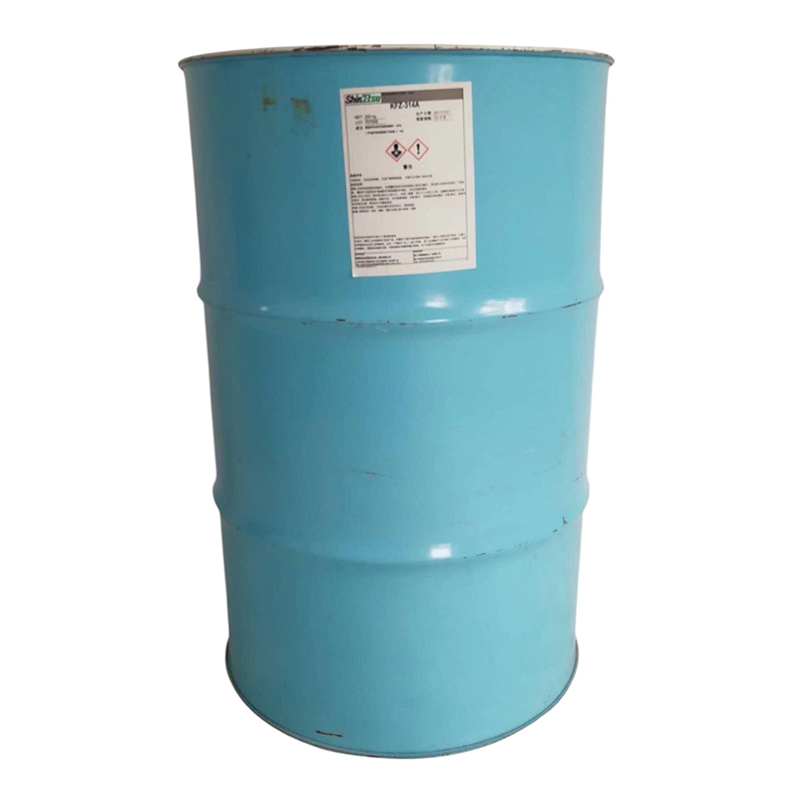
Table of Contents
- 1) What is silicone softener
- 2) Map your fabric and process first, then choose chemistry
- 3) Key selection criteria that matter in large-scale sourcing
- 4) How to run trials that predict real production performance
- 5) Common selection mistakes and how to avoid them
- 6) Why many finishers select modified silicone oils
- 7) What INNOSILICONE supports during sourcing and scale-up
- Conclusion
1) What is silicone softener
A silicone softener is typically based on modified silicone oils or silicone emulsions that deposit onto fiber surfaces. That deposited film reduces surface friction and changes how yarns slide against each other. In real production terms, that can translate into a softer touch, better drape, less harshness, and a cleaner “surface glide” during cutting and sewing.
Before comparing products, define “good hand feel” in measurable, factory-friendly language. Many sourcing mistakes happen because the target is described as “soft” without clarifying what kind of soft.
A practical way to describe your target is to decide which of these outcomes matters most:
Silky smoothness for premium touch and easy garment handling
Fluffy softness for bulky knit or towel-like feel
Crisp but not harsh for structured fabric where shape matters
Slip control to improve sewing performance without making the fabric too “oily”
Durability after laundering so the feel stays stable over time
Once the target feel is clear, you can select the silicone type and finishing route that creates it consistently.
2) Map your fabric and process first, then choose chemistry
The “right” softener is the one that fits your substrate and process window. Start with the fabric, because fiber type and fabric construction control how easily silicone deposits and how uniform the hand feel becomes.
Consider these production variables early:
Fiber content: cotton, polyester, viscose, nylon, blends
Construction: woven, knit, pile, brushed, high-density fabrics
Dyeing route: reactive, disperse, pigment, and whether you need low yellowing behavior
Finish sequence: softener before or after resin, Water Repellent, anti-pilling, or anti-static finishes
Bath conditions: pH, temperature, shear, electrolyte level, and your dilution water quality
Application method: padding, exhaustion, spraying, foam, or continuous finishing lines
When these inputs are clear, you can avoid common mismatches, such as selecting a softener that feels great on one fabric but causes instability in a high-shear padding system.
3) Key selection criteria that matter in large-scale sourcing
Large interior projects and continuous finishing demand repeatability. That means your evaluation should go beyond “panel feels nice today.” A strong sourcing checklist includes performance, processing stability, and supply consistency.
Here is a practical screening table you can use when comparing silicone softeners:
| What to evaluate | What it affects in production | What to check during trials |
|---|---|---|
| Hand feel direction | Soft, smooth, fluffy, waxy, crisp | Compare against your approved hand feel standard |
| Emulsion stability | Bath stability, fewer defects | Look for separation, oiling-out, foam, or scum |
| Yellowing tendency | Light shades, whites, pastel colors | Heat aging and drying trials under your conditions |
| Hydrophilicity balance | Absorbency and comfort | Wicking and re-wet behavior after finishing |
| Sewability and friction | Needle heat, seam puckering, cutting | Sewing trial, coefficient-of-friction trend in use |
| Wash durability | Long-term feel retention | Multi-wash tests with your real detergent system |
| Compatibility | Mixed finishing recipes | Combine with your common auxiliaries and observe stability |
For large orders, also validate batch-to-batch consistency and technical support response speed, because both directly reduce downtime risk.
4) How to run trials that predict real production performance
A trial that does not resemble production conditions can mislead your purchasing decision. The goal is to reproduce the same shear, temperature, and drying profile that your mill will use daily.
A structured trial approach usually works best:
Start with your standard recipe, then replace only the softener. This isolates performance differences.
Test at two or three dosage levels to find the minimum dose that meets touch targets without side effects.
Use your actual application route like padding or exhaustion, not a simplified lab dip, if the project is high-volume.
Evaluate both immediate and aged results, because some silicone films change after curing, storage, or laundering.
Document defects and rework rates, not just hand feel. Stability is often more valuable than a small touch improvement.
When projects are time-sensitive, it is also smart to run a “stress test” trial with slightly harsher conditions such as higher shear or longer bath time to reveal stability weaknesses early.
5) Common selection mistakes and how to avoid them
A few sourcing pitfalls show up repeatedly in textile finishing, especially when moving from small sampling to long production runs.
Choosing only by initial softness: Some softeners deliver a strong first-touch but fade quickly after laundering or cause uneven hand feel on wider fabric widths. Always include wash durability and width uniformity checks.
Ignoring compatibility: A silicone softener might be stable alone, yet destabilize when combined with your usual finishing package. Run compatibility trials with your typical auxiliaries.
Overdosing to force performance: High dosage can create slip that becomes “oily,” reduce friction too much, or cause staining and rework. Find the lowest stable dose that meets the target.
Not defining the target feel precisely: If the customer standard is “silky smooth, not waxy,” the wrong chemistry can create the opposite feel even if it is technically soft.
Underestimating supply continuity: For large projects, stable supply and consistent quality control matter as much as the formula itself.
6) Why many finishers select modified silicone oils
Modified silicone oils are widely used because they can deliver a balanced hand feel while keeping processing practical. In continuous finishing, buyers often want a product that is predictable in mixing, stable in application, and consistent on fabric.
For customers who need a stable softening solution for production environments, we often recommend starting with a proven model and building a trial plan around it. One option in our catalog is ShinEtsu KFZ-314A modified silicone oil softener, which is positioned for textile finishing that requires consistent softness and smoothness while keeping operations manageable at scale.
If your project requires additional adjustments, the best path is usually not guessing. It is specifying the target feel and process conditions, then selecting the right silicone grade and supporting auxiliaries from a controlled product system. You can also explore alternative options across our portfolio through the main listing: INNOSILICONE silicone products.
7) What INNOSILICONE supports during sourcing and scale-up
Choosing a silicone softener is only half the job. The other half is ensuring that the chosen solution performs the same way when you scale to long runs, multiple lines, and multiple shipments.
INNOSILICONE supports buyers who need reliable sourcing and technical continuity by focusing on:
Stable supply for continuous manufacturing so large projects can keep schedules without frequent formula changes
Product selection support based on fabric type, finish sequence, and the target hand feel standard
Quality and documentation readiness to match professional procurement requirements
Fast communication and service responsiveness for troubleshooting during trial and production stages
Broad silicone portfolio coverage to support different hand feel directions, process routes, and cost-performance targets
This is especially important for interior and contract textile programs where consistency, delivery rhythm, and repeatable finishing results are the main procurement drivers.
Conclusion
The best silicone softener is not the one that feels the softest in a quick sample. It is the one that delivers the approved hand feel consistently, stays stable in your real process conditions, remains compatible with your standard finishing recipes, and performs reliably after curing and laundering.
If you are sourcing PET-related decorative solutions, interior textiles, or large-volume finishing auxiliaries, start with a clear hand feel definition and a production-relevant trial plan. Then shortlist stable options from a supplier that can support scale-up. For a practical starting point, you can review our silicone portfolio here: INNOSILICONE silicone products, and consider trialing a stable model such as ShinEtsu KFZ-314A modified silicone oil softener based on your fabric and finishing route.