




How Do You Make Silicone Rubber
Silicone rubber is created through a series of highly controlled manufacturing stages that transform pure silica into a versatile elastomer capable of withstanding extreme conditions. At our facility, every step is optimized for quality, efficiency, and consistency, ensuring that each batch meets international performance standards. Below, we detail how silicone rubber is made—from raw material processing to final product packaging—highlighting how our production strength guarantees reliability and value for global clients.
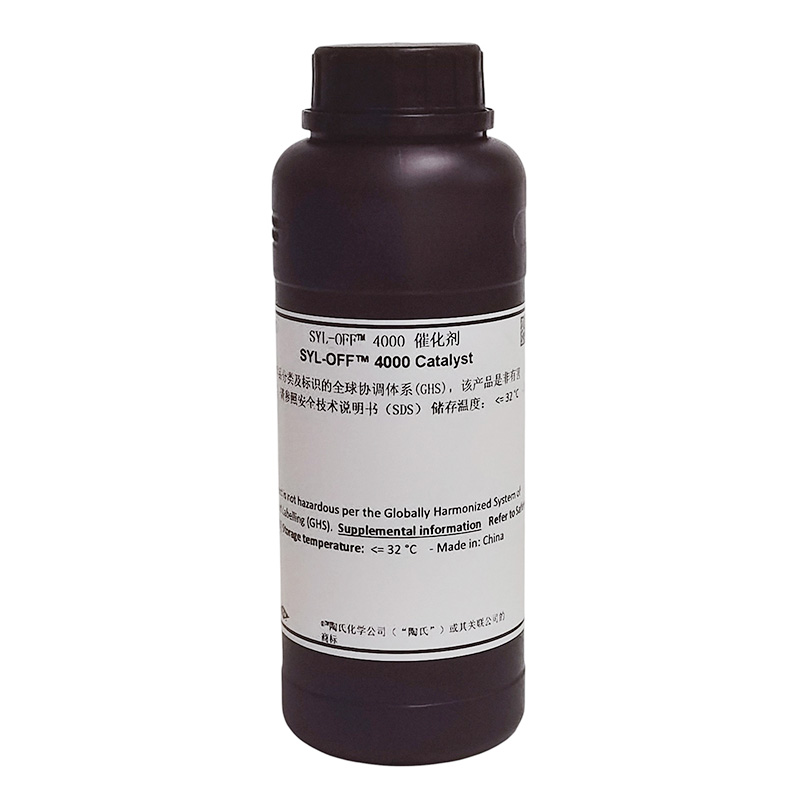
Table of Contents
- 1. Raw Material Preparation — From Silica to Siloxane
- 2. Compounding — Mixing Strength, Flexibility, and Function
- 3. Forming & Curing — Turning Silicone Into Durable Rubber
- 4. Quality Assurance — Meeting Global Standards
- 5. Packaging & Delivery — Ready for Industrial Integration
- 6. Why Choose Our Silicone Rubber?
- Summary
1. Raw Material Preparation — From Silica to Siloxane
The journey begins with high-purity quartz sand (SiO₂), which serves as the base ingredient for all silicone materials. Through a complex chemical conversion process, the silica is transformed into organosilicon compounds that form the backbone of silicone rubber.
Step-by-Step Breakdown:
Silicon Metal Production: Quartz sand is reduced in an electric arc furnace with carbon to form silicon metal, the foundation for all silicone chemistry.
Methylchlorosilane Synthesis: The silicon reacts with methyl chloride in the Rochow Process using a copper catalyst, producing methylchlorosilanes—the key building blocks of silicone polymers.
Hydrolysis & Condensation: The methylchlorosilanes are hydrolyzed with water to form silanols, which then condense into siloxane chains (–Si–O–Si–), releasing HCl as a by-product.
Polymerization: These siloxane chains are polymerized into polydimethylsiloxane (PDMS), which can be tailored for different viscosities and applications.
Result: The output of this stage is a pure silicone base polymer, available as fluid, gum, or resin, ready for compounding.
2. Compounding — Mixing Strength, Flexibility, and Function
Once the base silicone polymer is ready, it is blended with precise ratios of additives to achieve the desired physical, thermal, and electrical properties. This is where silicone becomes rubber.
Core Ingredients and Their Roles:
| Additive | Function | Benefits in Final Product |
|---|---|---|
| Fumed Silica | Reinforcing filler | Enhances tensile strength and tear resistance |
| Curing Agent (Peroxide or Platinum) | Crosslinking catalyst | Determines curing speed, hardness, and stability |
| Color Pigments | Visual identification | Custom colors for industrial or consumer needs |
| Processing Aids | Improve flow and dispersion | Ensures smooth Molding and extrusion |
| Thermal & Electrical Fillers | Function-specific performance | Adds conductivity or insulation properties |
Our advanced internal mixers and kneaders ensure perfect dispersion of fillers and additives. Strict temperature control prevents premature curing, guaranteeing a consistent compound texture and viscosity.
3. Forming & Curing — Turning Silicone Into Durable Rubber
The compounded silicone mixture must be shaped and cured to become an elastomer. Depending on the type—HTV (High-Temperature Vulcanizing), LSR (Liquid Silicone Rubber), or RTV (Room-Temperature Vulcanizing)—the forming and curing methods differ.
3.1 HTV Silicone Rubber (High-Temperature Vulcanizing)
Processing: The gum compound is milled, extruded, or molded into sheets, tubes, seals, or gaskets.
Curing: Uses peroxide or platinum catalysts. The material is heated to 160–200°C, forming durable crosslinks.
Post-Curing: A secondary heat treatment at 200–230°C removes volatiles and enhances compression set resistance.
Applications: Automotive hoses, cables, high-temperature gaskets, and mechanical seals.
3.2 LSR Silicone Rubber (Liquid Silicone Rubber)
Formulation: Two liquid components (Part A & Part B) are metered and mixed precisely, often at a 1:1 ratio.
Molding: The material is injected into pre-heated molds using liquid injection molding (LIM) technology.
Curing: Rapid crosslinking occurs at 150–200°C, allowing for short cycle times and high-volume production.
Demolding: Once cured, parts are automatically ejected with minimal finishing required.
Applications: Electrical connectors, medical components, keypads, and baby care products.
3.3 RTV Silicone Rubber (Room-Temperature Vulcanizing)
RTV-1 (One-Component): Cures by reacting with ambient moisture. Ideal for sealants, Coatings, and adhesives.
RTV-2 (Two-Component): Requires mixing base and catalyst before pouring or coating. Suitable for mold making, encapsulation, and industrial coatings.
Curing Conditions: Room temperature (20–30°C), full crosslinking achieved within hours or days depending on thickness.
Applications: Electronics potting, architectural sealing, and industrial maintenance.
4. Quality Assurance — Meeting Global Standards
Every batch undergoes rigorous testing to ensure mechanical integrity, consistency, and safety. Our production follows ISO and REACH quality systems and aligns with the standards of Shin-Etsu and Dow material grades.
Key Tests Conducted:
| Test Category | Parameters Checked | Purpose |
|---|---|---|
| Mechanical Testing | Tensile strength, elongation, hardness | Confirms flexibility and durability |
| Thermal Resistance | Continuous use at high temperature | Ensures long-term performance |
| Electrical Testing | Dielectric strength, insulation resistance | Guarantees safety for electronics |
| Cure Analysis | Rheometer and DSC checks | Ensures consistent curing behavior |
| Adhesion & Bonding | Peel and shear testing | Verifies primer performance on substrates |
Each production lot is traceable, and advanced analytics ensure compliance with customer specifications across automotive, electronics, and construction sectors.
5. Packaging & Delivery — Ready for Industrial Integration
After production and testing, silicone rubber compounds are packaged in moisture-proof containers to maintain shelf stability. We provide multiple packaging formats—drums, pails, or cartridges—depending on whether the product is HTV, LSR, or RTV.
HTV Rubber: Packed as rolled sheets or preforms for molding and extrusion lines.
LSR: Supplied in twin-barrel sets for automatic injection molding systems.
RTV: Offered in sealed cartridges, pails, or drums for direct dispensing.
Primers and Catalysts: Supplied in controlled volumes with safety labeling and usage guides.
Our logistics team ensures on-time global delivery, leveraging reliable transport networks and temperature-controlled storage for sensitive materials.
6. Why Choose Our Silicone Rubber?
| Strength | What It Means for You |
|---|---|
| 20+ Years of Expertise | Proven performance in silicone processing and formulation innovation. |
| Stable Supply Chain | Uninterrupted global distribution with strict cost and quality control. |
| End-to-End Solutions | From R&D to mass production, we support complete silicone rubber systems. |
| Global Standards | Partnered with leading brands like Shin-Etsu and Dow to ensure consistent excellence. |
Summary
The making of silicone rubber is a precise blend of chemistry, engineering, and quality control. Starting from pure silica, it evolves through polymerization, compounding, molding, and curing into one of the world’s most reliable elastomers.
Our advanced production line—covering RTV-1, RTV-2, HTV, and LSR systems—delivers high-performance silicone rubber that meets global standards for flexibility, temperature resistance, and longevity.
When you choose our silicone rubber products, you invest in trusted material technology, backed by decades of industrial experience and a commitment to consistent, cost-effective supply for your business.
Previous: What Is Paint Additive?
Next: What Is Silicone Rubber?