




What Is Silicone Rubber?
Silicone rubber is a synthetic elastomer composed primarily of siloxane polymers (–Si–O–Si–), which give it remarkable flexibility, temperature resistance, and chemical stability. It is one of the most versatile rubber materials used across industries—from electronics and industrial coatings to adhesives, sealants, lubrications, and molding applications.
Our product range includes both RTV-1 (one-component) and RTV-2 (two-component) silicone rubbers, along with primers and catalysts, designed to meet diverse performance and processing requirements.
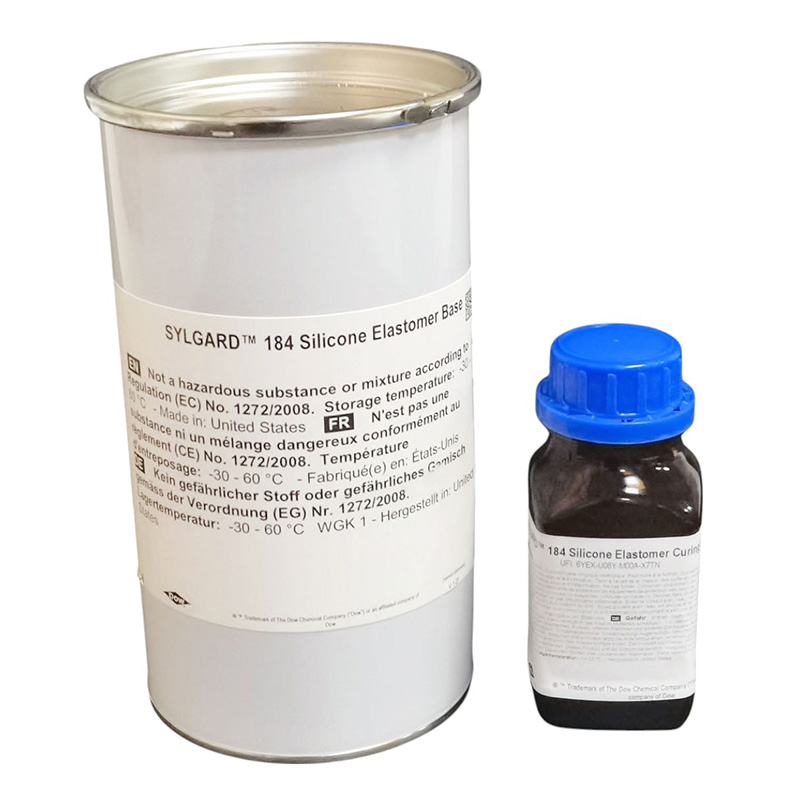
Table of Contents
1) Composition and Structure of Silicone Rubber
Silicone rubber is based on polysiloxane chains, made of alternating silicon (Si) and oxygen (O) atoms, with organic side groups (such as methyl or phenyl) attached to the silicon. This unique hybrid structure—part inorganic, part organic—gives silicone its exceptional physical and chemical properties.
1.1 The Siloxane Backbone
The Si–O bond is longer and more flexible than the C–C bond in conventional organic rubbers.
This gives silicone an unusually high degree of thermal stability and elasticity over wide temperature ranges.
The inorganic nature of the backbone means silicone is resistant to ozone, UV radiation, and oxidation, unlike carbon-based rubbers that degrade quickly outdoors.
1.2 Functional Additives and Fillers
Silicone rubbers often include reinforcing fillers such as fumed silica, pigments, and stabilizers. These materials:
Improve mechanical strength and tear resistance.
Control viscosity for easier processing.
Enhance electrical, thermal, or optical properties depending on application.
1.3 Curing and Crosslinking
Silicone rubber becomes an elastomer when crosslinked into a three-dimensional network. This is achieved through chemical curing systems:
Condensation cure (tin-catalyzed) for general-purpose, room-temperature applications.
Addition cure (platinum-catalyzed) for high-performance, low-shrink, and high-purity applications.
Moisture cure (RTV-1) for convenient one-component sealants and coatings.
2) Main Types of Silicone Rubber in Our Product Line
We offer two major curing systems—RTV-1 and RTV-2—to suit different industrial needs. Each has distinct characteristics and application methods.
2.1 RTV-1 Silicone Rubber
(Room-Temperature Vulcanizing, one-component)
RTV-1 silicones cure upon exposure to ambient moisture. They are supplied ready-to-use, requiring no mixing.
Key Features:
Single-component system: Easy to apply directly from the cartridge or pail.
Cures at room temperature: No additional heat or catalysts required.
Excellent adhesion to glass, aluminum, ceramics, plastics, and painted surfaces when used with primers.
Weathering and UV resistance: Ideal for outdoor or long-term sealing.
Flexible and durable: Maintains elasticity over time even in harsh environments.
Primary Applications:
Adhesive and Sealant: Window and door sealing, building joints, and automotive assemblies.
Electronics: Protection of circuits, sensors, and modules from moisture and dust.
Industrial Coating: Protective coatings for equipment and structural materials.
Lubrication and Release: Used as surface coatings and die Release Agents.
Primers: Enhancing surface adhesion to metals and composites.
2.2 RTV-2 Silicone Rubber
(Room-Temperature Vulcanizing, two-component)
RTV-2 silicones consist of a base polymer and a curing agent that must be mixed before application. Once mixed, they cure uniformly throughout the mass—either through condensation or addition mechanisms.
A) Condensation-Cure RTV-2
Catalyst: Tin or similar condensation catalyst.
Features:
Good flexibility and tear strength.
Cures at room temperature with no heat required.
Excellent for mold making, casting, and prototyping.
Applications:
Reusable molds for concrete, stone, resin, or wax.
General industrial sealing where a forgiving cure system is preferred.
B) Addition-Cure RTV-2 (Platinum-Catalyzed)
Catalyst: Platinum complex; cures via hydrosilylation (no by-products).
Features:
Zero shrinkage and high precision.
Excellent clarity; available in optically transparent grades.
Fast heat-curing capability for production efficiency.
Non-corrosive and suitable for medical or food-grade applications.
Applications:
Molding and Encapsulation: Complex shapes, fine details, LED and optical components.
Electronics: Potting and coating for sensors, transformers, and power modules.
Medical devices: Skin-safe, biocompatible silicone formulations.
Industrial gaskets and form-in-place seals.
Advantages of RTV-2 Systems:
Uniform curing even in thick sections.
Adjustable hardness and flexibility.
Compatible with platinum catalysts for faster curing.
Long-term stability under thermal and mechanical stress.
3) Performance Characteristics of Silicone Rubber
Silicone rubber’s global popularity comes from its unique combination of properties that few other rubbers can match.
| Property | Silicone Rubber Performance | Industrial Significance |
|---|---|---|
| Temperature Resistance | Remains elastic from -60°C to +250°C, with peaks to 300°C | Performs in engines, ovens, freezers, and electronics |
| Weather & UV Resistance | Outstanding; no cracking or hardening | Long-term outdoor sealing and insulation |
| Electrical Insulation | Excellent dielectric strength and low dissipation | Used in sensors, cables, transformers, and LED potting |
| Chemical Resistance | Stable against water, mild acids, bases, and oxidation | Reliable for coatings and adhesives |
| Flexibility & Compression Set | Maintains shape after long compression cycles | Ideal for gaskets and vibration dampers |
| Transparency & Optical Clarity | Available in clear grades | Used in optical encapsulants and lighting components |
| Biocompatibility | Non-toxic, hypoallergenic (platinum-cure grades) | Suitable for healthcare and food-contact products |
4) Applications Across Industries
Our silicone rubber products are engineered for versatility and reliability. Each formulation is optimized for a particular set of demands.
4.1 Adhesives and Sealants
RTV-1 systems provide flexible, durable bonding for glass, metal, and plastics.
Resistant to temperature fluctuations and weather exposure.
Common in construction, appliances, and automotive sealing.
4.2 Electronics and Electrical
RTV-1 and RTV-2 silicones protect circuits against moisture, dust, and thermal cycling.
Provide excellent dielectric insulation and long service life in high-voltage systems.
Used in potting, encapsulation, and conformal coatings.
4.3 Industrial Coating and Lubrication
Thin silicone films serve as release coatings, hydrophobic layers, or anti-friction agents.
Withstand chemicals, oxidation, and heat better than organic coatings.
4.4 Molding and Replication
RTV-2 silicone rubbers (both condensation and addition types) reproduce fine surface details.
Used in prototyping, concrete molding, art casting, and resin tools.
Reusable and resistant to chemical attack by most casting materials.
4.5 Primers and Catalysts
Primers enhance adhesion between silicone and challenging substrates such as metals, ceramics, and plastics.
Platinum catalysts accelerate curing and ensure dimensional precision in production-grade parts.
5) Advantages of Using Silicone Rubber
Wider temperature tolerance than any organic rubber.
Excellent aging resistance against oxygen, ozone, and UV.
Non-corrosive and electrically stable for sensitive components.
Adjustable hardness (soft gels to 70 Shore A) and flexibility.
Compatible with diverse substrates when paired with proper primers.
Long service life, minimal maintenance, and low toxicity.
Custom formulations available for specific viscosity, cure speed, or optical clarity.
Conclusion
Silicone rubber is a high-performance synthetic elastomer that combines the flexibility of organic rubber with the stability of inorganic materials. Its unique Si–O backbone grants it resistance to heat, cold, UV, and oxidation that traditional rubbers cannot achieve.
Our RTV-1 and RTV-2 silicone rubber systems—supported by primers, platinum catalysts, and specialty additives—cover applications from adhesive and sealant production to electronics, industrial coatings, lubrications, and molding. Whether you need long-term outdoor sealing, precise encapsulation, or flexible industrial components, silicone rubber provides reliability, versatility, and endurance in demanding environments.
Previous: How Do You Make Silicone Rubber